

How Healthcare Apps Are Improving Patient Care
In recent years, the healthcare landscape has undergone a significant transformation, largely driven by the rapid advancement of technology. As we navigate this digital age, healthcare apps have emerged as a pivotal tool in enhancing patient care and streamlining medical processes. These applications, designed for smartphones and tablets, offer a myriad of functionalities that cater to both patients and healthcare providers.
From appointment scheduling to medication reminders, healthcare apps are revolutionizing the way we interact with our health and wellness. As we delve deeper into the world of healthcare apps, it becomes evident that they are not merely a trend but a fundamental shift in how we approach health management. The integration of technology into healthcare has opened up new avenues for improving patient outcomes, increasing accessibility, and fostering a more engaged patient population.
By harnessing the power of mobile technology, we can empower individuals to take charge of their health while simultaneously providing healthcare professionals with the tools they need to deliver effective care.
Key Takeaways
- Healthcare apps are revolutionizing the way patients access and manage their healthcare needs, providing convenience and accessibility.
- Patients can benefit from healthcare apps by accessing medical information, tracking their health, scheduling appointments, and receiving medication reminders.
- Healthcare apps improve communication between patients and healthcare providers by allowing secure messaging, video consultations, and sharing of medical records.
- Techno softwares play a crucial role in developing healthcare apps, ensuring user-friendly interfaces, data security, and compliance with healthcare regulations.
- Healthcare apps have a significant impact on remote patient monitoring, enabling real-time tracking of vital signs, symptoms, and medication adherence, leading to better management of chronic conditions.
Benefits of Healthcare Apps for Patients
One of the most significant advantages of healthcare apps is their ability to enhance patient engagement. With these applications, we can easily access our medical records, track our health metrics, and receive personalized health information at our fingertips. This level of accessibility not only fosters a sense of ownership over our health but also encourages us to be proactive in managing our well-being.
For instance, many apps allow us to set reminders for medication intake or schedule regular check-ups, ensuring that we stay on top of our health needs. Moreover, healthcare apps can significantly improve our access to medical information and resources. In an age where information is abundant yet often overwhelming, these applications curate relevant content tailored to our specific health conditions.
Whether we are seeking advice on managing chronic illnesses or looking for tips on maintaining a healthy lifestyle, healthcare apps provide us with reliable resources that can guide our decisions. This empowerment through knowledge ultimately leads to better health outcomes and a more informed patient population.
How Healthcare Apps Can Improve Communication Between Patients and Healthcare Providers

Effective communication between patients and healthcare providers is crucial for delivering quality care. Healthcare apps serve as a bridge that enhances this communication by facilitating real-time interactions. Through secure messaging features, we can easily reach out to our healthcare providers with questions or concerns without the need for an in-person visit.
This immediacy not only alleviates anxiety but also allows for timely interventions when necessary. Additionally, these apps often include features that enable us to share vital health data with our providers seamlessly. For example, we can upload our daily blood sugar readings or blood pressure measurements directly through the app.
This continuous flow of information allows our healthcare providers to monitor our conditions more effectively and make informed decisions regarding our treatment plans. By fostering open lines of communication, healthcare apps contribute to a collaborative approach to patient care that ultimately benefits everyone involved.
The Role of Techno Softwares in Developing Healthcare Apps
The development of healthcare apps relies heavily on advanced techno software solutions that ensure functionality, security, and user-friendliness. As we explore the intricacies of app development, it becomes clear that a robust technological foundation is essential for creating applications that meet the diverse needs of patients and providers alike. Techno software companies specialize in crafting tailored solutions that address specific challenges within the healthcare sector, from data management to user interface design.
Moreover, these software solutions prioritize compliance with regulatory standards such as HIPAA (Health Insurance Portability and Accountability Act) to safeguard patient information. By implementing stringent security measures, developers can create an environment where users feel confident sharing sensitive health data. This trust is paramount in encouraging widespread adoption of healthcare apps, as patients must feel secure in their interactions with technology that pertains to their health.
The Impact of Healthcare Apps on Remote Patient Monitoring
Remote patient monitoring (RPM) has gained traction as a vital component of modern healthcare, particularly in light of recent global events that have emphasized the need for innovative care delivery methods. Healthcare apps play a crucial role in facilitating RPM by enabling us to track our health metrics from the comfort of our homes. With features such as wearable device integration and real-time data sharing, these applications empower us to take an active role in monitoring our conditions.
The benefits of RPM extend beyond convenience; they also contribute to improved health outcomes. By allowing healthcare providers to monitor our progress remotely, they can identify potential issues before they escalate into serious complications. This proactive approach not only enhances patient safety but also reduces the need for unnecessary hospital visits, ultimately alleviating the burden on healthcare systems.
As we embrace this shift towards remote monitoring, it is clear that healthcare apps are at the forefront of this evolution.
The Potential of Healthcare Apps in Personalized Medicine
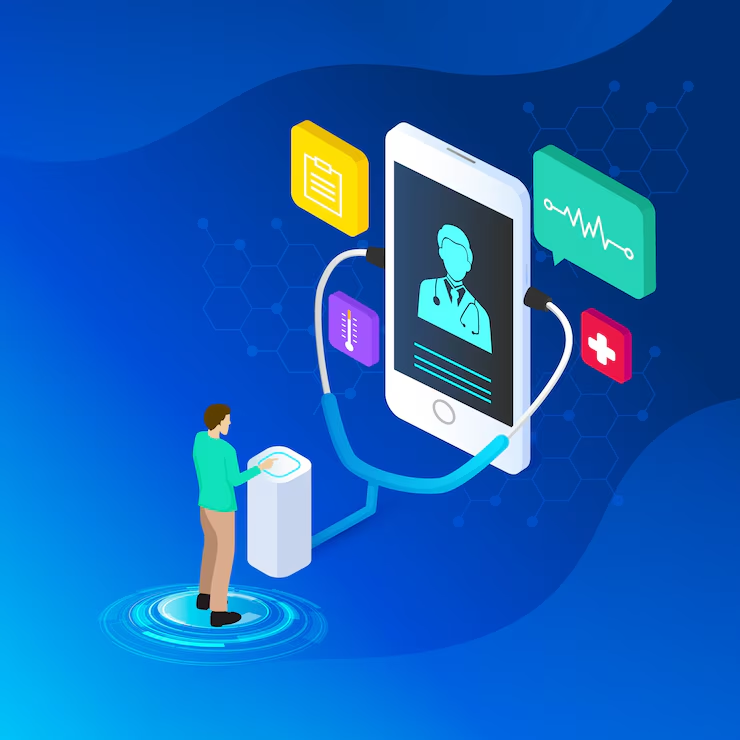
Personalized medicine represents a paradigm shift in how we approach treatment and care delivery. By leveraging data analytics and artificial intelligence, healthcare apps have the potential to tailor medical interventions to our unique genetic makeup and lifestyle factors. This level of customization allows for more effective treatment plans that align with our individual needs and preferences.
Through the use of healthcare apps, we can receive personalized recommendations based on our health data and history. For instance, an app may analyze our dietary habits and suggest meal plans that cater specifically to our nutritional requirements. This personalized approach not only enhances our overall well-being but also fosters a deeper connection between us and our healthcare providers as we work together towards achieving optimal health outcomes.
Challenges and Considerations in Implementing Healthcare Apps
Despite the numerous benefits associated with healthcare apps, there are challenges that must be addressed to ensure their successful implementation. One significant concern is the digital divide; not everyone has equal access to technology or the internet. As we strive for inclusivity in healthcare, it is essential to consider how we can bridge this gap and ensure that all patients can benefit from these innovations.
Additionally, privacy and security concerns remain paramount in the development and use of healthcare apps. As we share sensitive health information through these platforms, it is crucial for developers to prioritize data protection measures. Ensuring compliance with regulations and implementing robust security protocols will be vital in building trust among users and encouraging widespread adoption.
The Future of Healthcare Apps and Patient Care
Looking ahead, the future of healthcare apps appears promising as technology continues to evolve at an unprecedented pace. We anticipate further advancements in artificial intelligence and machine learning that will enhance the capabilities of these applications, allowing for even more personalized and efficient care delivery. As we embrace these innovations, it is essential to remain focused on patient-centered approaches that prioritize our needs and preferences.
Moreover, as we continue to navigate the complexities of modern healthcare, collaboration between technology developers, healthcare providers, and patients will be crucial in shaping the future landscape. By working together, we can harness the full potential of healthcare apps to create a more accessible, efficient, and effective healthcare system that ultimately improves patient outcomes and enhances our overall quality of life. As we stand on the brink of this exciting future, it is clear that healthcare apps will play an integral role in transforming how we approach health and wellness for generations to come.
In a related article on Techno Softwares’ blog, they discuss the latest frontend trends that are shaping the development of healthcare apps. The article highlights the importance of user experience and interface design in improving patient care through technology. To read more about how frontend trends are impacting healthcare app development, check out this article.
FAQs
What are healthcare apps?
Healthcare apps are software applications designed to help patients, healthcare professionals, and caregivers manage medical information, track health metrics, schedule appointments, and access medical resources.
How do healthcare apps improve patient care?
Healthcare apps improve patient care by providing easier access to medical information, enabling remote monitoring of health metrics, facilitating communication between patients and healthcare providers, and promoting self-management of chronic conditions.
What role do Techno Softwares play in healthcare app development?
Techno Softwares play a crucial role in healthcare app development by providing the technical expertise and resources needed to create user-friendly, secure, and compliant healthcare applications. They also ensure that the apps meet regulatory standards and integrate seamlessly with existing healthcare systems.
What are some examples of healthcare apps that have improved patient care?
Examples of healthcare apps that have improved patient care include telemedicine apps for virtual consultations, medication management apps for tracking prescriptions and dosages, and chronic disease management apps for monitoring and managing conditions like diabetes and hypertension.
How do healthcare apps benefit healthcare professionals?
Healthcare apps benefit healthcare professionals by streamlining administrative tasks, improving communication with patients, enabling remote monitoring of patients’ health, and providing access to medical resources and guidelines at the point of care.


