

A Step-by-Step Guide to Travel Portal Development
Embarking on the journey of travel portal development requires a comprehensive understanding of the entire process. Initially, we must recognize that this endeavor is not merely about creating a website; it involves crafting a platform that serves as a bridge between travelers and their desired experiences. The development process begins with thorough research and analysis, where we identify our target audience, their preferences, and the specific services they seek.
This foundational step allows us to tailor our portal to meet the unique needs of our users, ensuring that we provide value from the outset. As we delve deeper into the development process, we must also consider the various stakeholders involved. Collaborating with travel agencies, service providers, and technology partners is crucial for creating a robust travel portal.
We need to establish clear communication channels and set expectations to ensure that everyone is aligned with our vision. Additionally, we should be prepared to adapt our strategies based on feedback and market trends, as the travel industry is dynamic and ever-evolving. By maintaining flexibility and a willingness to learn, we can navigate the complexities of travel portal development more effectively.
Key Takeaways
- Understanding the Travel Portal Development Process:
- Research and understand the target audience and their needs
- Plan and outline the features and functionalities of the travel portal
- Collaborate with a skilled development team to bring the vision to life
- Choosing the Right Technology for Your Travel Portal:
- Consider factors such as scalability, security, and user experience
- Evaluate different technologies and choose the one that best fits the requirements
- Ensure the technology allows for easy integration of third-party services and APIs
- Designing an Engaging User Interface for Your Travel Portal:
- Focus on creating a user-friendly and visually appealing interface
- Incorporate intuitive navigation and responsive design for seamless user experience
- Pay attention to branding and visual elements to create a unique identity for the portal
- Integrating Essential Features and Functionalities:
- Include features such as flight and hotel booking, itinerary planning, and travel guides
- Ensure seamless integration of third-party APIs for services like payment gateways and booking engines
- Prioritize features that enhance user experience and provide value to the users
- Implementing Payment Gateways and Security Measures:
- Choose reliable and secure payment gateways to ensure safe transactions
- Implement SSL encryption and other security measures to protect user data
- Comply with industry standards and regulations for online payment processing
- Testing and Quality Assurance for Your Travel Portal:
- Conduct thorough testing to identify and fix any bugs or issues
- Test the portal across different devices and browsers to ensure compatibility
- Implement quality assurance processes to maintain high standards of performance and user experience
- Launching and Marketing Your Travel Portal:
- Develop a comprehensive marketing strategy to reach the target audience
- Utilize digital marketing channels such as social media, SEO, and email marketing
- Create buzz and excitement around the launch to attract users and drive traffic to the portal
- Maintenance and Support for Your Travel Portal:
- Provide ongoing maintenance and support to ensure the portal runs smoothly
- Regularly update and optimize the portal to keep up with industry trends and user needs
- Offer responsive customer support to address any issues or inquiries from users
Choosing the Right Technology for Your Travel Portal
Frontend Technologies
For instance, if we aim for a highly interactive user experience, we might lean towards JavaScript frameworks like React or Angular. These technologies can help us create a dynamic and engaging interface that meets the evolving needs of our users.
Content Management Systems
On the other hand, if we prioritize content management, platforms like WordPress or Drupal could be more suitable. These systems can help us efficiently manage and update our content, ensuring that our portal remains fresh and relevant.
Backend Technologies and Integration
Moreover, we should not overlook the importance of backend technologies. A robust server-side language such as Python or Ruby can enhance our portal’s functionality and ensure seamless data management. Additionally, we must consider integrating APIs from third-party services, such as flight and hotel booking systems, to enrich our offerings. By carefully selecting our technology stack, we can create a travel portal that is not only efficient but also capable of evolving with the changing demands of the industry.
Designing an Engaging User Interface for Your Travel Portal

The user interface (UI) of our travel portal plays a crucial role in shaping the overall user experience. We must prioritize creating an engaging and intuitive design that captivates visitors from the moment they land on our site. This involves employing a clean layout, visually appealing graphics, and easy navigation to guide users through their journey seamlessly.
By focusing on user-centric design principles, we can ensure that our portal is accessible to a diverse audience, including those who may not be tech-savvy. In addition to aesthetics, we should also consider the functionality of our UI. Implementing features such as search filters, interactive maps, and personalized recommendations can significantly enhance user engagement.
We can also incorporate responsive design to ensure that our portal functions flawlessly across various devices, from desktops to smartphones. By prioritizing both visual appeal and functionality in our UI design, we can create a travel portal that not only attracts users but also encourages them to explore further.
Integrating Essential Features and Functionalities
To create a successful travel portal, we must integrate essential features and functionalities that cater to the needs of our users. One of the most critical components is a robust search engine that allows users to find flights, hotels, and activities quickly and efficiently. We should also consider implementing advanced filtering options to help users narrow down their choices based on preferences such as price range, location, and amenities.
Another vital feature is user accounts, which enable travelers to save their preferences, manage bookings, and receive personalized recommendations. By allowing users to create profiles, we can enhance their experience and foster loyalty. Additionally, integrating social media sharing options can encourage users to share their travel experiences with friends and family, further promoting our portal.
By thoughtfully incorporating these features and functionalities, we can create a comprehensive travel platform that meets the diverse needs of our audience.
Implementing Payment Gateways and Security Measures
As we develop our travel portal, implementing secure payment gateways is paramount to ensuring a smooth transaction process for our users. We must choose reliable payment processors that offer various payment options, including credit cards, digital wallets, and bank transfers. This flexibility will cater to different user preferences and enhance their overall experience on our platform.
Equally important is prioritizing security measures to protect sensitive user data during transactions. We should implement SSL certificates to encrypt data and ensure secure connections between users and our portal. Additionally, incorporating two-factor authentication can add an extra layer of security for user accounts.
By taking these precautions seriously, we can build trust with our users and encourage them to engage with our platform confidently.
Testing and Quality Assurance for Your Travel Portal
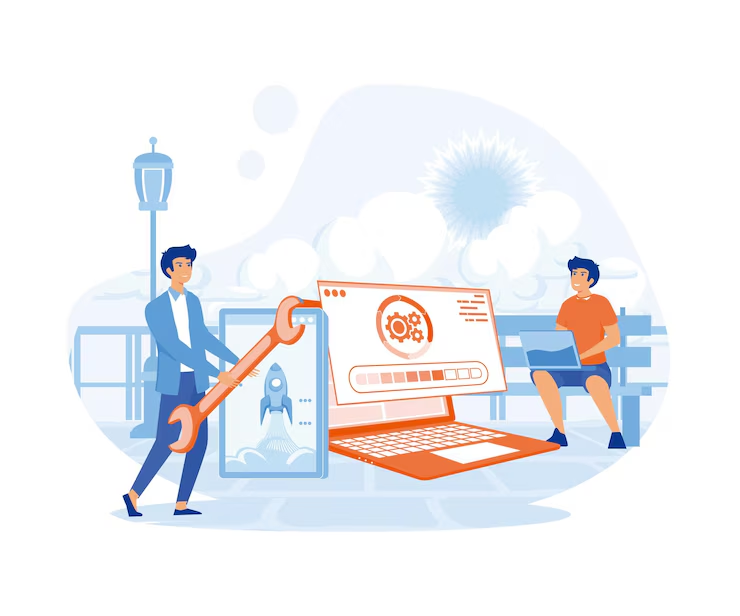
Comprehensive Testing for a Flawless Experience
We conduct various tests, including functional testing to verify that all features work correctly, and usability testing to assess the overall user experience. Gathering feedback from real users during this phase provides valuable insights into potential improvements.
Performance Under Pressure
Moreover, we perform performance testing to evaluate how our portal handles high traffic volumes and ensure it remains responsive under pressure. This helps us identify and address any bugs or issues before launch, ultimately delivering a polished product that meets user expectations.
Setting Ourselves Up for Success
By investing time in thorough testing and quality assurance processes, we can minimize post-launch complications and set ourselves up for success. This proactive approach enables us to launch a high-quality travel portal that exceeds user expectations and establishes our brand as a reliable and trustworthy player in the industry.
Launching and Marketing Your Travel Portal
Once we have completed the development and testing phases, it’s time to launch our travel portal into the world. A well-planned launch strategy is crucial for generating initial interest and attracting users to our platform. We should consider leveraging social media channels, email marketing campaigns, and partnerships with travel influencers to spread the word about our portal.
In addition to traditional marketing efforts, search engine optimization (SEO) will play a vital role in driving organic traffic to our site. By optimizing our content with relevant keywords and ensuring that our portal is indexed correctly by search engines, we can improve our visibility online. Furthermore, offering promotions or discounts during the launch phase can incentivize users to try out our services.
By combining effective marketing strategies with a compelling launch plan, we can create momentum for our travel portal right from the start.
Maintenance and Support for Your Travel Portal
The journey doesn’t end with the launch of our travel portal; ongoing maintenance and support are essential for its long-term success. We must establish a dedicated team responsible for monitoring the platform’s performance, addressing user inquiries, and implementing updates as needed. Regularly reviewing user feedback will help us identify areas for improvement and ensure that we continue to meet the evolving needs of our audience.
Additionally, staying informed about industry trends and technological advancements will allow us to adapt our portal accordingly. Whether it’s integrating new features or enhancing security measures, being proactive in our approach will help us maintain a competitive edge in the market. By prioritizing maintenance and support, we can foster user loyalty and ensure that our travel portal remains a valuable resource for travelers around the globe.
If you are interested in maximizing efficiency in your business operations, you may want to check out the article on Maximizing Efficiency with ERP Software Development. This article discusses how implementing ERP software can streamline processes and improve productivity. Additionally, if you are looking to enhance your online presence and drive more traffic to your travel portal, you may find the article on SEO Automation Tools helpful. Lastly, if you are considering outsourcing software development for your travel portal, you may want to read the article on Myths Associated with Software Development Outsourcing to gain insights and debunk common misconceptions.
FAQs
What is a travel portal?
A travel portal is a website or application that allows users to search, compare, and book travel-related services such as flights, hotels, car rentals, and holiday packages.
What are the key features of a travel portal?
Key features of a travel portal include flight and hotel booking systems, search and comparison tools, secure payment gateways, user profiles, and customer support integration.
Why is it important to have a travel portal for a travel business?
Having a travel portal can help a travel business reach a wider audience, provide a seamless booking experience for customers, automate processes, and increase revenue through online bookings.
How can Techno Softwares help in developing a travel portal?
Techno Softwares can help in developing a travel portal by providing custom web and mobile app development, integrating booking systems and APIs, ensuring secure payment gateways, and offering ongoing technical support.
What are the benefits of using Techno Softwares for travel portal development?
The benefits of using Techno Softwares for travel portal development include expertise in travel technology, custom solutions tailored to specific business needs, seamless integration of booking systems, and a focus on user experience and security.