

Creating IoT Applications for Smart Cities
As we navigate through the complexities of urban living, the concept of smart cities emerges as a beacon of hope for enhancing our quality of life. The Internet of Things (IoT) plays a pivotal role in this transformation, enabling cities to become more efficient, sustainable, and responsive to the needs of their inhabitants. By integrating various devices and systems through the internet, we can collect and analyze data in real-time, leading to informed decision-making and improved urban management.
The potential applications of IoT in smart cities are vast, ranging from traffic management and waste disposal to energy conservation and public safety. In our quest for smarter urban environments, we find that IoT applications not only streamline city operations but also foster community engagement. By connecting citizens with their local governments through digital platforms, we can create a more participatory approach to urban planning and development.
This interconnectedness allows us to address pressing issues such as pollution, congestion, and resource allocation more effectively. As we delve deeper into the world of IoT applications for smart cities, it becomes evident that these technologies are not just tools; they are catalysts for a more sustainable and livable future.
Key Takeaways
- IoT applications play a crucial role in building smart cities by integrating technology to improve efficiency and sustainability.
- Techno Softwares plays a significant role in developing IoT applications for smart cities by providing the necessary infrastructure and expertise.
- Key features of IoT applications for smart cities include real-time data collection, remote monitoring, and automated control, leading to benefits such as improved resource management and enhanced public services.
- Successful case studies of IoT applications in smart cities include smart traffic management systems, waste management solutions, and energy-efficient lighting systems.
- Challenges in developing IoT applications for smart cities include security concerns and interoperability issues, which can be addressed through robust cybersecurity measures and standardized protocols.
The Role of Techno Softwares in Developing IoT Applications
Transforming Urban Environments with IoT Solutions
In the realm of smart city development, Techno Softwares stands out as a key player in the creation and implementation of IoT applications. With a focus on innovation and user-centric design, Techno Softwares leverages cutting-edge technologies to develop solutions that cater to the unique challenges faced by urban environments.
Expertise in IoT Application Development
Their expertise in software development, data analytics, and system integration enables them to create robust IoT applications that enhance city operations and improve the overall quality of life for residents. By harnessing the power of IoT, Techno Softwares is able to develop solutions that address specific urban challenges, such as traffic management, energy efficiency, and public safety.
Collaborative Approach to Smart City Development
By collaborating with city planners, government agencies, and private sector stakeholders, Techno Softwares ensures that their IoT applications are tailored to meet specific needs. This collaborative approach not only fosters innovation but also encourages the sharing of best practices among various stakeholders. As a result, Techno Softwares is able to develop solutions that are both effective and sustainable.
A Vital Partner in the Journey Toward Smarter Cities
As we explore the role of Techno Softwares in developing IoT applications, it becomes clear that their commitment to excellence and adaptability positions them as a vital partner in the journey toward smarter cities. With their expertise and collaborative approach, Techno Softwares is helping to shape the future of urban development and create a better quality of life for residents around the world.
Key Features and Benefits of IoT Applications for Smart Cities
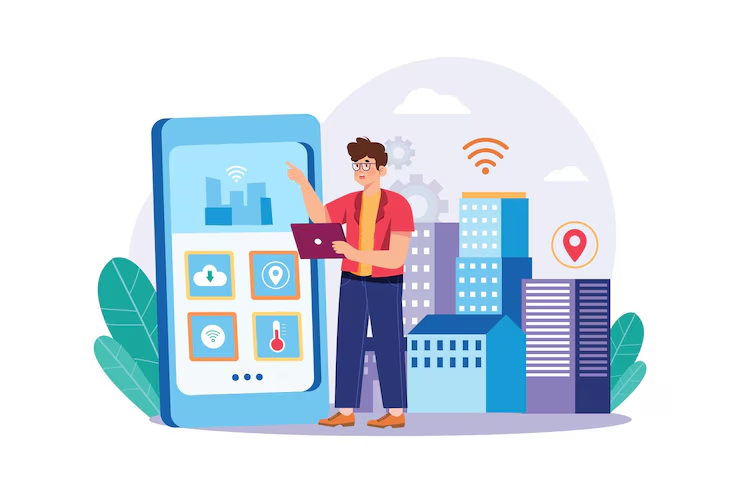
The key features of IoT applications for smart cities are designed to address the multifaceted challenges urban areas face today. One of the most significant features is real-time data collection and analysis. By utilizing sensors and connected devices, these applications can monitor various aspects of city life, such as traffic flow, air quality, and energy consumption.
This data-driven approach allows city officials to make informed decisions that enhance operational efficiency and improve public services. Moreover, IoT applications promote sustainability by optimizing resource usage. For instance, smart waste management systems can monitor bin levels and schedule pickups accordingly, reducing unnecessary trips and minimizing carbon emissions.
Similarly, smart lighting systems can adjust brightness based on pedestrian activity, conserving energy while ensuring safety. The benefits extend beyond operational efficiency; they also enhance citizen engagement by providing real-time information about city services and encouraging community participation in decision-making processes.
Case Studies of Successful IoT Applications in Smart Cities
Examining successful case studies of IoT applications in smart cities reveals the transformative potential of these technologies. One notable example is Barcelona, which has implemented a comprehensive smart city strategy that includes smart lighting, waste management, and traffic monitoring systems. By integrating these IoT solutions, Barcelona has significantly reduced energy consumption and improved waste collection efficiency.
The city’s commitment to sustainability has not only enhanced its environmental footprint but also positioned it as a global leader in smart city initiatives. Another compelling case is Singapore, which has embraced IoT technologies to create a seamless urban experience for its residents. The city-state’s Smart Nation initiative encompasses various applications, including smart traffic management systems that utilize real-time data to optimize traffic flow and reduce congestion.
Additionally, Singapore’s extensive network of sensors monitors environmental conditions, enabling proactive measures to address air quality issues. These successful implementations demonstrate how IoT applications can lead to tangible improvements in urban living while fostering a sense of community among residents.
Challenges and Solutions in Developing IoT Applications for Smart Cities
Despite the promising potential of IoT applications for smart cities, several challenges must be addressed to ensure their successful implementation. One significant hurdle is data privacy and security concerns. As cities collect vast amounts of data from connected devices, safeguarding this information becomes paramount.
We must establish robust cybersecurity measures and transparent data governance policies to protect citizens’ privacy while still leveraging data for urban improvement. Another challenge lies in the integration of diverse systems and technologies. Many cities operate on legacy infrastructure that may not be compatible with modern IoT solutions.
To overcome this obstacle, we need to adopt a phased approach to implementation, gradually upgrading existing systems while ensuring interoperability between new and old technologies. By fostering collaboration among stakeholders and investing in training programs for city officials and employees, we can create a more cohesive ecosystem that supports the development of effective IoT applications.
The Future of IoT Applications for Smart Cities
Enhanced Capabilities through AI and Machine Learning
As technology continues to evolve at an unprecedented pace, the future of IoT applications for smart cities appears bright. We anticipate advancements in artificial intelligence (AI) and machine learning will further enhance the capabilities of IoT systems, enabling predictive analytics that can anticipate urban challenges before they arise. This proactive approach will empower city officials to implement solutions that mitigate issues such as traffic congestion or public safety threats before they escalate.
Optimizing Urban Planning with Digital Twins
Moreover, as we embrace the concept of digital twins—virtual replicas of physical environments—we can simulate various scenarios to optimize urban planning and resource allocation. This innovative approach will allow us to visualize the impact of different strategies on city dynamics, leading to more informed decision-making processes.
Prioritizing Inclusivity and Accessibility
As we move forward into this exciting future, it is essential that we prioritize inclusivity and accessibility in our smart city initiatives to ensure that all residents benefit from these advancements.
How Techno Softwares Can Assist in Implementing and Managing IoT Applications
Techno Softwares plays a crucial role in assisting cities with the implementation and management of IoT applications. Their expertise in software development allows them to create customized solutions that align with the specific needs of each city. By conducting thorough assessments of existing infrastructure and identifying areas for improvement, Techno Softwares can design IoT applications that seamlessly integrate with current systems while providing scalability for future growth.
Furthermore, Techno Softwares offers ongoing support and maintenance services to ensure the longevity and effectiveness of IoT applications. By providing training programs for city officials and staff, they empower local governments to manage these technologies independently while fostering a culture of innovation within municipal operations. This collaborative approach not only enhances the effectiveness of IoT solutions but also builds capacity within local governments to adapt to evolving urban challenges.
The Importance of IoT Applications in Building Smart Cities
In conclusion, the importance of IoT applications in building smart cities cannot be overstated. These technologies serve as vital tools for enhancing urban living by improving efficiency, sustainability, and citizen engagement. As we continue to explore innovative solutions through partnerships with organizations like Techno Softwares, we can unlock the full potential of IoT applications to address the complex challenges faced by modern cities.
As we look toward the future, it is imperative that we remain committed to fostering collaboration among stakeholders while prioritizing inclusivity in our smart city initiatives. By doing so, we can create urban environments that not only leverage technology but also enhance the quality of life for all residents. The journey toward smarter cities is just beginning, and with continued innovation and dedication, we can build a brighter future for generations to come.
If you are interested in learning more about the cost of building a WordPress website, check out this informative article from Techno Softwares: Cost of Building a WordPress Website. This article provides valuable insights into the expenses involved in creating a professional and functional website using WordPress.
FAQs
What are IoT applications for smart cities?
IoT applications for smart cities are technological solutions that use the Internet of Things (IoT) to improve the efficiency and sustainability of urban areas. These applications can include smart transportation systems, energy management, waste management, public safety, and more.
How can Techno Softwares help in creating IoT applications for smart cities?
Techno Softwares can help in creating IoT applications for smart cities by providing expertise in IoT development, data analytics, and software integration. They can develop custom solutions to address specific challenges faced by smart cities and ensure seamless connectivity and communication between different IoT devices and systems.
What are the benefits of using IoT applications for smart cities?
Using IoT applications for smart cities can lead to numerous benefits, including improved resource management, reduced energy consumption, enhanced public safety, better transportation systems, and overall improved quality of life for residents. These applications can also help cities become more sustainable and resilient in the face of environmental challenges.
What are some examples of IoT applications for smart cities?
Examples of IoT applications for smart cities include smart parking systems that help drivers find available parking spaces, intelligent traffic management systems that optimize traffic flow, smart street lighting that adjusts based on real-time conditions, and environmental monitoring systems that track air and water quality. These applications are designed to make urban areas more efficient and sustainable.


