
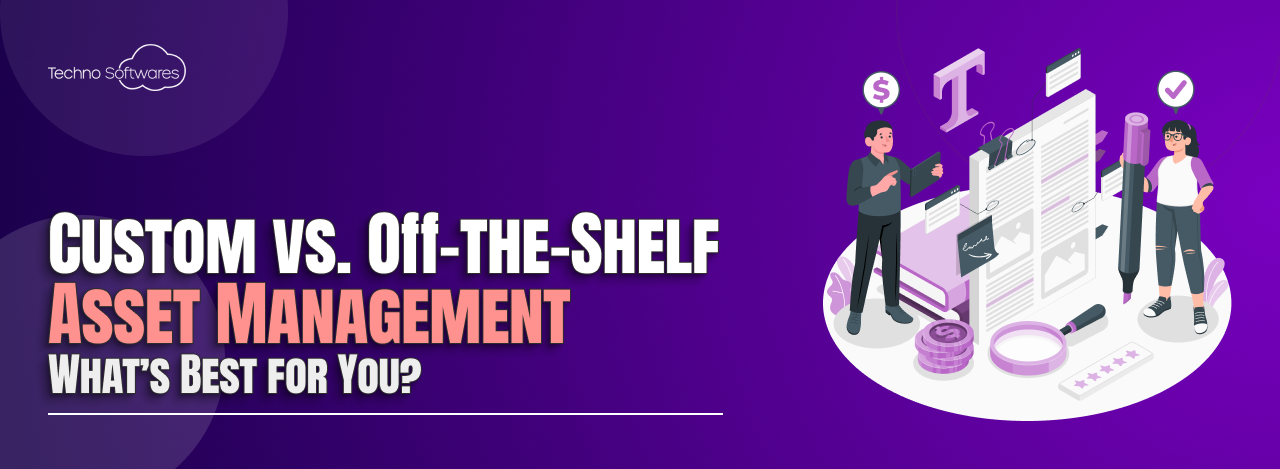
Custom Asset Management Software vs. Off-the-Shelf Solutions: Which is Right for You?
In the realm of asset management, we often find ourselves navigating a complex landscape filled with various software solutions. Custom asset management software stands out as a tailored approach designed to meet the unique needs of our organization. Unlike off-the-shelf products, which offer a one-size-fits-all solution, custom software is built from the ground up, allowing us to incorporate specific functionalities that align with our operational requirements.
This bespoke nature enables us to streamline processes, enhance efficiency, and ultimately gain a competitive edge in our industry. As we delve deeper into the world of custom asset management software, we recognize that it is not merely about having a tool at our disposal; it is about creating a system that evolves alongside our business. The development process typically involves close collaboration with software developers who take the time to understand our workflows, challenges, and goals.
This partnership ensures that the final product is not only functional but also intuitive and user-friendly. By investing in custom solutions, we position ourselves to adapt to changing market conditions and internal demands more effectively than if we were relying on generic software.
Key Takeaways
- Custom asset management software is tailored to the specific needs of your business, offering unique features and functionalities.
- Off-the-shelf asset management solutions are pre-built software that may not fully meet the unique requirements of your business.
- Assess your business needs carefully to determine whether custom or off-the-shelf asset management software is the best fit for your organization.
- Consider the cost implications of custom vs. off-the-shelf asset management software, including initial investment and long-term maintenance.
- Custom software offers greater flexibility and scalability, allowing for future growth and adaptation to changing business needs.
Exploring Off-the-Shelf Asset Management Solutions
Advantages of Off-the-Shelf Solutions
One of the most appealing aspects of off-the-shelf software is its immediate availability. We can often implement these solutions quickly, allowing us to address pressing asset management needs without the lengthy development process associated with custom software.
Limitations of Off-the-Shelf Solutions
However, as we explore off-the-shelf options, we must also weigh their limitations. These solutions may not fully align with our specific business processes or industry requirements, leading to potential inefficiencies. Customization options may exist, but they often come at an additional cost and may not provide the same level of personalization as a fully custom solution.
Key Considerations for Evaluation
As we evaluate these products, it is essential to consider how well they integrate with our existing systems and whether they can scale as our organization grows.
Assessing Your Business Needs

Before making any decisions regarding asset management software, we must conduct a thorough assessment of our business needs. This process involves identifying our current challenges, understanding our operational workflows, and determining what features are essential for our success. By engaging stakeholders from various departments, we can gather diverse perspectives that will inform our decision-making process.
This collaborative approach ensures that we consider all aspects of our operations and avoid overlooking critical requirements. As we analyze our needs, it is crucial to prioritize them based on urgency and importance. For instance, if we are struggling with tracking assets in real-time, this feature should take precedence over more advanced analytics capabilities that may not be immediately necessary.
Additionally, we should consider future growth and how our asset management needs may evolve over time. By taking a proactive approach to assessing our business needs, we can make informed decisions that will serve us well in the long run.
When evaluating asset management solutions, cost is often a significant factor in our decision-making process. Custom software development typically requires a larger upfront investment compared to off-the-shelf solutions. This initial cost encompasses not only the development itself but also ongoing maintenance and potential upgrades.
However, it is essential to look beyond the initial price tag and consider the long-term value that custom software can provide. By addressing our specific needs and streamlining processes, custom solutions can lead to significant cost savings over time. On the other hand, off-the-shelf solutions may appear more budget-friendly at first glance, but hidden costs can quickly add up.
Licensing fees, customization expenses, and ongoing support costs can make these products less economical in the long run. Additionally, if an off-the-shelf solution fails to meet our needs adequately, we may find ourselves investing in supplementary tools or workarounds that further inflate costs. As we weigh these financial considerations, it is vital to adopt a holistic view that encompasses both short-term expenditures and long-term returns on investment.
Flexibility and Scalability
Flexibility and scalability are critical factors that we must consider when choosing between custom and off-the-shelf asset management solutions. Custom software is inherently designed to be adaptable; as our business evolves, so too can our software. We have the ability to add new features, modify existing ones, or even pivot entirely based on changing market conditions or internal strategies.
This level of flexibility allows us to stay ahead of competitors who may be constrained by rigid off-the-shelf solutions. Conversely, while off-the-shelf products may offer some degree of scalability, they often come with limitations that can hinder our growth. As our organization expands or diversifies its operations, we may find that these solutions cannot accommodate new requirements without significant modifications or additional purchases.
This lack of adaptability can lead to frustration and inefficiencies as we attempt to fit our evolving needs into a pre-defined framework. By prioritizing flexibility and scalability in our decision-making process, we position ourselves for sustained success.
Integration and Compatibility
In today’s interconnected business environment, integration and compatibility are paramount considerations when selecting asset management software.
Seamless Integration with Custom Solutions
Custom solutions can be designed with seamless integration in mind, allowing us to connect various systems and tools that are already part of our operational ecosystem.
This capability ensures that data flows smoothly between platforms, reducing the risk of errors and enhancing overall efficiency.
The Challenges of Off-the-Shelf Solutions
On the other hand, off-the-shelf solutions may not always play well with existing systems. We may encounter compatibility issues that require additional resources to resolve or even necessitate the replacement of other tools altogether. This disruption can lead to downtime and decreased productivity as we work to align disparate systems.
Assessing Integration and Adaptability
As we evaluate potential software options, it is crucial to assess how well they will integrate with our current infrastructure and whether they can adapt to future technological advancements.
Maintenance and Support

The ongoing maintenance and support of asset management software are vital components that can significantly impact our overall experience with the solution we choose. Custom software typically comes with dedicated support from the development team who understands the intricacies of the system intimately. This level of support can be invaluable when issues arise or when we need assistance with updates or enhancements.
Furthermore, because the software is tailored specifically for us, any necessary changes can be implemented quickly and efficiently. In contrast, off-the-shelf solutions often rely on generalized support services that may not address our specific concerns effectively. While these products may come with customer service options, the quality and responsiveness can vary widely between providers.
Additionally, if we encounter a unique issue that requires specialized knowledge about our particular use case, we may find ourselves facing delays in resolution or inadequate assistance. As we consider maintenance and support options, it is essential to evaluate how each solution aligns with our expectations for ongoing service.
Making the Decision: Custom or Off-the-Shelf?
Ultimately, the decision between custom and off-the-shelf asset management software hinges on a careful evaluation of our unique circumstances and priorities. We must weigh the benefits of customization against the immediate availability of off-the-shelf solutions while considering factors such as cost, flexibility, integration capabilities, and support services. Engaging stakeholders throughout this process will help ensure that all perspectives are considered and that we arrive at a decision that aligns with our organizational goals.
As we move forward in this decision-making journey, it is essential to remain open-minded and adaptable. The landscape of asset management technology is continually evolving, and what may seem like the best choice today could change as new innovations emerge or as our business needs shift. By committing to a thorough evaluation process and prioritizing collaboration among team members, we can confidently choose an asset management solution that will serve us well now and into the future.
When considering whether to opt for custom asset management software or an off-the-shelf solution, it’s also crucial to think about how these tools will integrate with your overall digital strategy, including content management. An excellent resource to explore this further is an article on Enterprise Content Management Systems, which discusses various aspects of managing digital content effectively within an organization. Understanding these systems can provide insights into how asset management tools can be aligned with broader business processes for maximum efficiency. You can read more about this in the related article here.
FAQs
What is custom asset management software?
Custom asset management software is a tailored solution designed to meet the specific needs and requirements of a business or organization. It is built from scratch to address unique workflows, processes, and data management needs.
What are off-the-shelf asset management solutions?
Off-the-shelf asset management solutions are pre-built software packages that are readily available for purchase and use. These solutions are designed to cater to a wide range of industries and businesses with standard features and functionalities.
What are the benefits of custom asset management software?
Custom asset management software offers the advantage of being tailored to the specific needs of a business, providing a more precise fit for unique workflows and processes. It can also offer greater flexibility for future scalability and integration with existing systems.
What are the benefits of off-the-shelf asset management solutions?
Off-the-shelf asset management solutions are typically more cost-effective and quicker to implement compared to custom software. They also come with standard features and functionalities that have been tested and proven in various industries.
Which option is right for my business?
The decision between custom asset management software and off-the-shelf solutions depends on the specific needs, budget, and long-term goals of your business. Custom software may be more suitable for businesses with unique requirements, while off-the-shelf solutions may be a better fit for those looking for a cost-effective and quick solution.


