
How Techno Softwares Helps Businesses Transition to Enterprise Software
In today’s fast-paced business environment, the need for enterprise software has become increasingly apparent. As organizations grow and evolve, they encounter a myriad of challenges that can hinder their operational efficiency. We find ourselves in a landscape where manual processes and disparate systems can lead to inefficiencies, miscommunication, and ultimately, lost revenue.
Enterprise software serves as a solution to these challenges by streamlining operations, enhancing collaboration, and providing valuable insights through data analytics. By integrating various functions into a single platform, we can improve productivity and ensure that all departments are aligned with the organization’s goals. Moreover, the competitive nature of the market compels us to adopt innovative technologies that can give us an edge over our rivals.
Enterprise software not only helps in automating routine tasks but also enables us to make data-driven decisions. With real-time access to information, we can respond swiftly to market changes and customer needs. This agility is crucial for maintaining relevance in our industry.
As we delve deeper into understanding the need for enterprise software, it becomes clear that it is not merely a tool but a strategic asset that can drive growth and foster a culture of continuous improvement within our organization.
Key Takeaways
- Enterprise software is essential for streamlining business processes and improving efficiency.
- Assessing current business processes and systems is crucial for identifying areas that can be improved with enterprise software.
- Identifying the right enterprise software solution involves considering the specific needs and goals of the business.
- Customization and integration of enterprise software are important for ensuring that it aligns with existing systems and meets the unique requirements of the business.
- Training and support for employees are necessary for successful implementation and adoption of enterprise software.
Assessing Current Business Processes and Systems
Before we embark on the journey of selecting enterprise software, it is essential for us to conduct a thorough assessment of our current business processes and systems. This evaluation allows us to identify inefficiencies and bottlenecks that may be hindering our performance. By mapping out our existing workflows, we can gain insights into how tasks are currently being executed and where improvements can be made.
This step is crucial as it lays the foundation for understanding what features and functionalities we require from a new software solution. In addition to analyzing workflows, we must also consider the technology stack we currently employ. Are our existing systems capable of supporting our growth ambitions?
Are they flexible enough to adapt to changing business needs? By answering these questions, we can pinpoint gaps in our current setup and determine whether we need a complete overhaul or simply an upgrade. Engaging with employees across various departments during this assessment phase is vital; their firsthand experiences can provide valuable perspectives on what works well and what doesn’t.
This collaborative approach ensures that we have a comprehensive understanding of our operational landscape before moving forward.
Identifying the Right Enterprise Software Solution

Once we have assessed our current processes and systems, the next step is to identify the right enterprise software solution that aligns with our organizational needs. This process involves extensive research and evaluation of various software options available in the market. We must consider factors such as scalability, user-friendliness, integration capabilities, and cost-effectiveness.
It is essential for us to choose a solution that not only meets our immediate requirements but also has the potential to grow with us as our business evolves. Furthermore, we should prioritize solutions that offer customization options. Every organization has unique processes and workflows, and a one-size-fits-all approach may not suffice.
By selecting software that allows for tailored configurations, we can ensure that it fits seamlessly into our operations. Additionally, engaging with vendors during this phase can provide us with insights into their offerings and help us gauge their level of support and commitment to customer satisfaction. Ultimately, the goal is to find a solution that empowers us to enhance efficiency, improve collaboration, and drive innovation across the organization.
Customization and Integration of Enterprise Software
After identifying the right enterprise software solution, we must focus on its customization and integration into our existing systems. Customization is crucial because it allows us to adapt the software to our specific business needs rather than forcing our processes to fit into a generic framework. This flexibility ensures that we can leverage the full potential of the software while maintaining our unique operational identity.
We should work closely with the software provider to define our requirements and implement necessary modifications that enhance functionality. Integration is another critical aspect of this phase. We need to ensure that the new software can seamlessly connect with our existing systems, such as CRM, ERP, or other specialized tools we may be using.
A well-integrated system facilitates data flow between departments, reduces redundancy, and enhances overall efficiency. During this process, it is essential for us to involve IT specialists who can address technical challenges and ensure that data integrity is maintained throughout the integration process. By prioritizing both customization and integration, we set ourselves up for success in utilizing the new enterprise software effectively.
Training and Support for Employees
As we transition to a new enterprise software system, providing adequate training and support for our employees is paramount. Change can be daunting, especially when it involves new technology that alters established workflows. To facilitate a smooth transition, we must develop a comprehensive training program that caters to different learning styles and levels of expertise within our workforce.
This program should include hands-on workshops, online tutorials, and access to user manuals that empower employees to become proficient in using the new system. Moreover, ongoing support is equally important as it helps address any challenges employees may encounter post-implementation. Establishing a dedicated support team or point of contact within our organization can provide employees with immediate assistance when they face difficulties or have questions about the software.
Encouraging an open feedback loop will also allow us to identify areas where additional training may be needed or where further enhancements could improve user experience. By investing in training and support, we foster a culture of adaptability and resilience within our workforce.
Data Migration and System Implementation
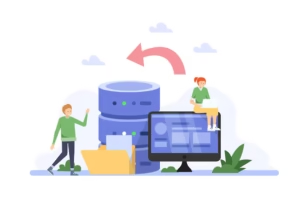
Data migration is a critical step in implementing enterprise software that requires careful planning and execution. We must ensure that all relevant data from our existing systems is accurately transferred to the new platform without any loss or corruption. This process involves identifying which data needs to be migrated, cleaning up any outdated or irrelevant information, and mapping data fields between systems to ensure compatibility.
Engaging with data specialists during this phase can help us navigate potential pitfalls and ensure a smooth transition. Once data migration is complete, we move on to system implementation. This phase involves configuring the software according to our specific requirements and conducting thorough testing to identify any issues before going live.
It is essential for us to involve key stakeholders in this process to gather feedback and make necessary adjustments based on their insights. A phased rollout may also be beneficial; by implementing the system in stages, we can minimize disruption to daily operations while allowing employees time to acclimate to the new software. Successful data migration and implementation set the stage for realizing the full benefits of our chosen enterprise software solution.
Monitoring and Optimizing Enterprise Software Performance
After successfully implementing enterprise software, our focus shifts toward monitoring its performance and optimizing its use over time. Regularly assessing how well the software meets our operational needs allows us to identify areas for improvement or additional training requirements. We should establish key performance indicators (KPIs) that align with our business objectives so that we can measure success effectively.
By analyzing usage patterns and gathering feedback from employees, we can gain insights into how the software is being utilized across different departments. Optimization may involve fine-tuning configurations or exploring additional features that could enhance functionality further. As technology continues to evolve, staying informed about updates or new capabilities offered by the software provider is essential for maximizing its potential.
Engaging in regular reviews of our processes in conjunction with the software’s performance will enable us to adapt proactively rather than reactively. By fostering a culture of continuous improvement, we ensure that our enterprise software remains an invaluable asset in driving efficiency and innovation within our organization.
Long-term Partnership and Support from Techno Softwares
Establishing a long-term partnership with Techno Softwares or any chosen vendor is crucial for ensuring ongoing success with our enterprise software solution. A reliable vendor not only provides initial implementation support but also offers continuous assistance as our business evolves over time. This partnership should be characterized by open communication channels where we can discuss challenges, seek advice on best practices, and explore opportunities for further enhancements.
Moreover, regular check-ins with Techno Softwares will help us stay updated on new features or updates that could benefit our operations. As technology advances rapidly, having a partner who understands our unique needs will enable us to leverage innovations effectively. By nurturing this relationship, we position ourselves for sustained growth and success in an ever-changing business landscape.
Ultimately, investing in a long-term partnership ensures that we have the support necessary to navigate future challenges while maximizing the value derived from our enterprise software investment.
If you’re interested in how Techno Softwares can assist businesses in transitioning to enterprise software, you might also find value in understanding other digital tools that can enhance your business operations. For instance, creating an effective contact form on your WordPress site is crucial for capturing leads and facilitating customer interactions. To learn more about setting up a contact form that can integrate seamlessly with your enterprise software, consider reading this related article: How to Create a Contact Form on WordPress. This guide provides step-by-step instructions and tips to ensure your contact forms are optimized for user engagement and functionality.
FAQs
What is enterprise software?
Enterprise software refers to a type of software used by organizations, such as businesses and government entities, to support their operations and processes. It is designed to address the needs of large organizations and typically includes features such as customer relationship management, supply chain management, and enterprise resource planning.
How can Techno Softwares help businesses transition to enterprise software?
Techno Softwares can help businesses transition to enterprise software by providing customized solutions tailored to their specific needs. This may include software development, integration of existing systems, and training for employees to ensure a smooth transition.
What are the benefits of transitioning to enterprise software?
Transitioning to enterprise software can bring numerous benefits to businesses, including improved efficiency, better data management, streamlined processes, and enhanced collaboration among different departments. It can also provide better insights and analytics for decision-making and help businesses stay competitive in the market.
What industries can benefit from transitioning to enterprise software?
Various industries can benefit from transitioning to enterprise software, including manufacturing, retail, healthcare, finance, and logistics. Any organization that needs to manage large volumes of data, streamline processes, and improve overall efficiency can benefit from enterprise software solutions.
How long does it take to transition to enterprise software with Techno Softwares?
The time it takes to transition to enterprise software with Techno Softwares can vary depending on the specific needs and requirements of the business. It may involve an initial assessment, planning, development, testing, and implementation, which can take several months to complete.


