

How to Implement ERP to Improve Supply Chain Management
In today’s fast-paced business environment, the significance of Enterprise Resource Planning (ERP) systems in supply chain management cannot be overstated. As we navigate through the complexities of global markets, we find that ERP systems serve as the backbone of our supply chain operations. They provide a unified platform that integrates various functions such as procurement, inventory management, order processing, and logistics.
By centralizing data and processes, ERP systems enable us to streamline operations, reduce costs, and enhance decision-making capabilities. This integration is crucial for maintaining competitiveness in a landscape where efficiency and responsiveness are paramount. Moreover, the importance of ERP extends beyond mere operational efficiency.
It empowers us to gain real-time visibility into our supply chain activities, allowing for proactive management of resources and risks. With accurate data at our fingertips, we can forecast demand more effectively, optimize inventory levels, and improve customer service. This level of insight not only enhances our operational agility but also fosters collaboration among stakeholders, from suppliers to customers.
As we embrace ERP systems, we position ourselves to respond swiftly to market changes and customer needs, ultimately driving growth and profitability.
Key Takeaways
- ERP is crucial for effective supply chain management as it helps in streamlining processes, improving visibility, and enhancing decision-making.
- Key challenges in supply chain management include demand forecasting, inventory management, supplier relationship management, and transportation management.
- When choosing an ERP system for your supply chain, consider factors such as scalability, integration capabilities, industry-specific features, and vendor support.
- Customizing your ERP system to fit your supply chain needs involves aligning it with your unique processes, workflows, and business requirements.
- Integrating your ERP system with other supply chain technologies such as IoT, AI, and blockchain can help in achieving end-to-end visibility and automation.
- Training your team to effectively use the ERP system is essential for maximizing its benefits and ensuring smooth adoption across the organization.
- Monitoring and evaluating the impact of ERP on supply chain management involves tracking key performance indicators, analyzing data, and making continuous improvements.
- Partnering with Techno Softwares for supply chain ERP development can provide you with tailored solutions, industry expertise, and ongoing support for your ERP implementation.
Identifying the Key Challenges in Supply Chain Management
As we delve deeper into supply chain management, we encounter a myriad of challenges that can hinder our operational effectiveness. One of the most pressing issues is the lack of visibility across the supply chain. Without a comprehensive view of inventory levels, order statuses, and supplier performance, we often find ourselves making decisions based on incomplete or outdated information.
This lack of transparency can lead to inefficiencies, stockouts, and missed opportunities for cost savings. Identifying these gaps in visibility is crucial for us to implement effective solutions that enhance our supply chain performance. Another significant challenge we face is the complexity of managing relationships with multiple suppliers and partners.
As we expand our networks to include global suppliers, we must navigate varying regulations, cultural differences, and communication barriers. This complexity can lead to delays and misunderstandings that disrupt our supply chain flow. Additionally, fluctuating demand patterns and market volatility further complicate our ability to maintain optimal inventory levels.
By recognizing these challenges, we can take proactive steps to address them through strategic planning and the implementation of robust ERP systems that facilitate better collaboration and communication.
Choosing the Right ERP System for Your Supply Chain
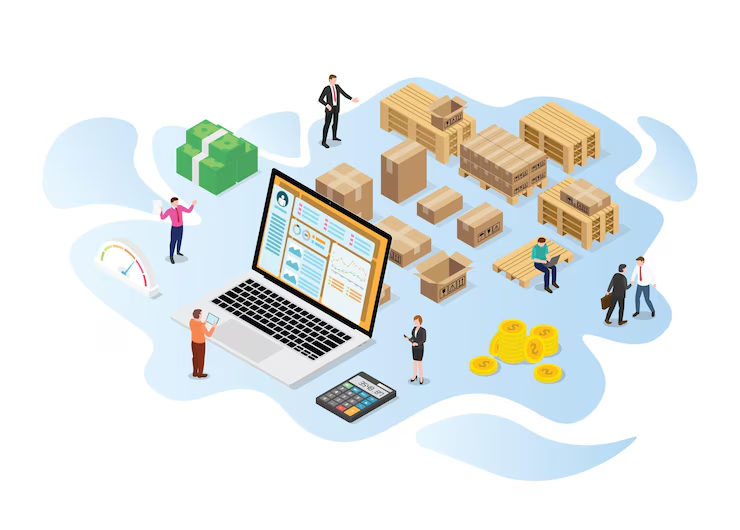
Selecting the appropriate ERP system for our supply chain is a critical decision that requires careful consideration. We must first assess our specific needs and objectives to ensure that the chosen system aligns with our operational goals. Factors such as scalability, functionality, and ease of integration with existing systems should be at the forefront of our evaluation process.
By engaging stakeholders from various departments, we can gather insights into their requirements and pain points, which will guide us in making an informed choice. Furthermore, it is essential to consider the vendor’s reputation and support services when choosing an ERP system. We should look for providers with a proven track record in supply chain management solutions and those who offer comprehensive training and support during implementation.
A well-chosen ERP system not only enhances our operational efficiency but also provides us with the flexibility to adapt to changing market conditions. By investing time in this selection process, we can ensure that our ERP system becomes a valuable asset in driving our supply chain success.
Customizing Your ERP System to Fit Your Supply Chain Needs
Once we have selected an ERP system, the next step is customization to ensure it meets our unique supply chain requirements. Off-the-shelf solutions may not fully address the specific challenges we face; therefore, tailoring the system to fit our processes is essential. This customization can involve configuring workflows, creating custom reports, and integrating specific functionalities that align with our operational needs.
By doing so, we enhance user experience and ensure that the system supports our strategic objectives. Moreover, involving key stakeholders in the customization process is vital for achieving buy-in and ensuring that the system meets their needs. By gathering feedback from users across different departments, we can identify areas for improvement and make necessary adjustments before full-scale implementation.
This collaborative approach not only fosters a sense of ownership among team members but also increases the likelihood of successful adoption. Ultimately, a well-customized ERP system will empower us to optimize our supply chain processes and drive greater efficiency.
Integrating Your ERP System with Other Supply Chain Technologies
Integration is a crucial aspect of maximizing the potential of our ERP system within the broader context of supply chain management. As we implement various technologies—such as warehouse management systems (WMS), transportation management systems (TMS), and customer relationship management (CRM) tools—it becomes imperative to ensure seamless connectivity between these platforms. By integrating our ERP system with other technologies, we can create a cohesive ecosystem that enhances data flow and communication across all functions.
This integration allows us to eliminate data silos and improve overall visibility within our supply chain. For instance, by connecting our ERP with WMS, we can gain real-time insights into inventory levels and order fulfillment processes. Similarly, integrating with TMS enables us to optimize transportation routes and reduce shipping costs.
As we embrace these integrations, we position ourselves to respond more effectively to customer demands while minimizing operational inefficiencies.
Training Your Team to Effectively Use the ERP System

The successful implementation of an ERP system hinges on effective training for our team members. As we introduce new technologies into our operations, it is essential that everyone understands how to utilize the system to its fullest potential. Comprehensive training programs should be developed to cover various aspects of the ERP system, including navigation, data entry, reporting functionalities, and troubleshooting common issues.
By investing in training, we empower our employees to leverage the system effectively and contribute to improved supply chain performance. Additionally, ongoing support and refresher courses are vital for maintaining proficiency as updates and new features are introduced. We should encourage a culture of continuous learning where team members feel comfortable seeking assistance or sharing best practices with one another.
By fostering an environment that values knowledge sharing and collaboration, we can enhance user engagement with the ERP system and drive greater adoption across the organization.
Monitoring and Evaluating the Impact of ERP on Supply Chain Management
Once our ERP system is up and running, it is crucial for us to monitor its impact on supply chain management continuously. Establishing key performance indicators (KPIs) allows us to measure the effectiveness of the system in achieving our operational goals. These KPIs may include metrics related to inventory turnover rates, order fulfillment times, and overall cost savings.
By regularly reviewing these metrics, we can identify areas where the ERP system is delivering value as well as areas that may require further optimization. Moreover, soliciting feedback from users is an essential component of this evaluation process. Engaging team members in discussions about their experiences with the ERP system can provide valuable insights into its strengths and weaknesses.
This feedback loop enables us to make informed decisions about potential enhancements or adjustments needed to improve functionality further. By actively monitoring and evaluating the impact of our ERP system on supply chain management, we can ensure that it continues to meet our evolving needs.
Partnering with Techno Softwares for Supply Chain ERP Development
As we embark on our journey toward optimizing supply chain management through ERP systems, partnering with experienced software development firms like Techno Softwares can be a game-changer. Their expertise in developing tailored ERP solutions allows us to leverage cutting-edge technology that aligns with our specific business requirements. With a focus on innovation and customer satisfaction, Techno Softwares can help us navigate the complexities of ERP implementation while ensuring that we achieve maximum return on investment.
Furthermore, collaborating with Techno Softwares provides us access to ongoing support and updates as technology evolves. Their commitment to staying ahead of industry trends ensures that our ERP system remains relevant and effective in addressing emerging challenges within supply chain management. By forming this strategic partnership, we position ourselves for long-term success as we harness the power of technology to drive efficiency and growth in our supply chain operations.
In conclusion, embracing an ERP system is not merely about adopting new technology; it is about transforming how we manage our supply chains for greater efficiency and effectiveness. By understanding its importance, addressing key challenges, choosing the right system, customizing it for our needs, integrating it with other technologies, training our teams effectively, monitoring its impact, and partnering with experts like Techno Softwares, we can unlock significant value in our supply chain operations. Together, we can navigate the complexities of modern supply chains and position ourselves for sustained success in an ever-evolving marketplace.
If you are looking to optimize your WordPress website for SEO, you should check out this helpful article here. Implementing ERP to improve supply chain management is crucial for streamlining operations and increasing efficiency. Techno Softwares can develop a customized supply chain ERP system to meet your specific business needs. In addition, if you are interested in building an eCommerce store using WooCommerce in just 30 minutes, you can find a step-by-step guide in this article here. And if you need help installing WordPress manually on any web hosting platform, you can follow the instructions outlined in this informative article here.
FAQs
What is ERP?
ERP stands for Enterprise Resource Planning, which is a software system that integrates and manages all the core processes and functions of a business, including supply chain management, finance, human resources, and more.
How can ERP improve supply chain management?
ERP can improve supply chain management by providing real-time visibility into inventory levels, streamlining procurement processes, optimizing production scheduling, and enhancing collaboration with suppliers and distributors.
Why is it important to implement ERP for supply chain management?
Implementing ERP for supply chain management is important because it can help businesses reduce costs, improve efficiency, minimize inventory holding, and enhance customer satisfaction by ensuring timely delivery of products.
What are the key features of a supply chain ERP developed by Techno Softwares?
Techno Softwares’ supply chain ERP may include features such as inventory management, demand forecasting, order management, supplier relationship management, logistics and transportation management, and real-time analytics and reporting.
How can Techno Softwares help in developing a supply chain ERP?
Techno Softwares can help in developing a supply chain ERP by understanding the specific needs of the business, customizing the ERP system to meet those needs, providing training and support for the implementation, and ensuring seamless integration with existing systems.


