
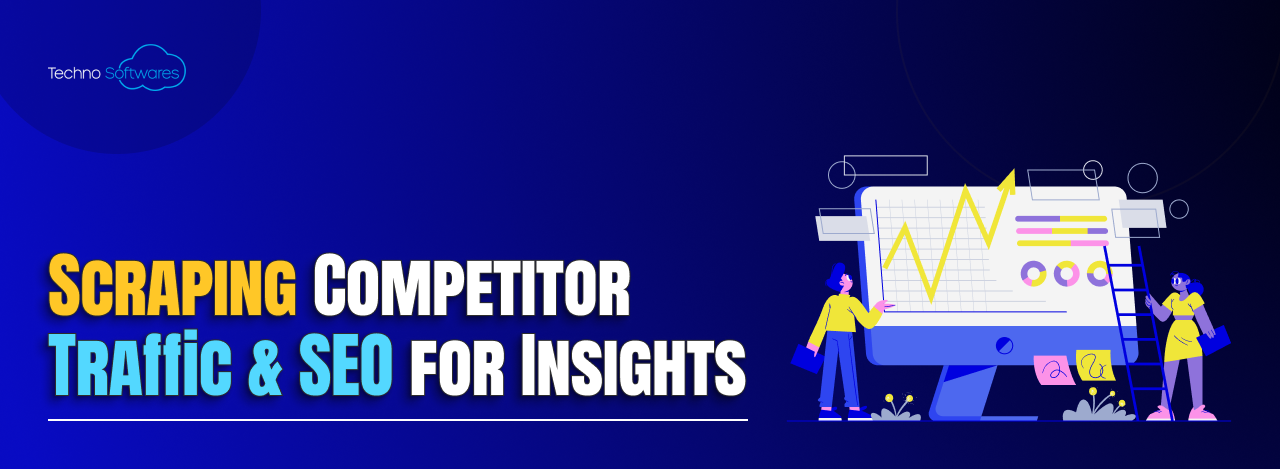
How to Scrape Competitor Website Traffic and SEO Data for Competitive Intelligence
In the digital landscape, understanding competitor website traffic and SEO data is paramount for businesses aiming to maintain a competitive edge. The online marketplace is saturated with options, making it essential for companies to not only know their own performance metrics but also to analyze those of their competitors. By examining traffic patterns, keyword rankings, and backlink profiles, businesses can glean insights into what strategies are working for others in their industry.
This knowledge allows companies to adapt their own strategies, optimize their content, and ultimately drive more traffic to their sites. Moreover, competitor analysis extends beyond mere observation; it involves a strategic approach to understanding market dynamics. For instance, if a competitor experiences a surge in traffic due to a specific marketing campaign or content strategy, it signals an opportunity for others to either replicate or innovate upon that approach.
By leveraging SEO data, businesses can identify gaps in their own strategies and capitalize on emerging trends. This proactive stance not only enhances visibility but also fosters a culture of continuous improvement within the organization.
Key Takeaways
- Understanding competitor website traffic and SEO data is crucial for gaining insights into market trends and consumer behavior.
- Key metrics for competitive intelligence include organic search traffic, keyword rankings, backlink profiles, and website traffic sources.
- Tools and techniques for scraping competitor website traffic and SEO data include web scraping tools, SEO analysis tools, and data extraction APIs.
- Legal and ethical considerations for web scraping involve respecting website terms of service, avoiding aggressive scraping, and obtaining consent when necessary.
- Analyzing and interpreting scraped data can provide valuable insights for identifying opportunities, threats, and trends in the competitive landscape.
Identifying Key Metrics for Competitive Intelligence
When delving into competitor website traffic and SEO data, identifying key metrics is crucial for effective competitive intelligence. Metrics such as organic search traffic, bounce rates, and average session duration provide a comprehensive view of how well a competitor’s website is performing. Organic search traffic indicates the effectiveness of a competitor’s SEO strategy, while bounce rates can reveal how engaging their content is.
A high bounce rate may suggest that visitors are not finding what they expected, prompting a deeper investigation into the content and user experience offered by the competitor. In addition to these metrics, keyword rankings play a vital role in understanding a competitor’s visibility in search engines. By analyzing which keywords drive traffic to a competitor’s site, businesses can identify potential opportunities for their own SEO efforts.
Furthermore, examining backlink profiles can provide insights into the authority and credibility of a competitor’s website. A robust backlink profile often correlates with higher search engine rankings, making it essential to understand how competitors are building their link networks. By focusing on these key metrics, businesses can develop a nuanced understanding of their competitive landscape.
Tools and Techniques for Scraping Competitor Website Traffic and SEO Data

The process of scraping competitor website traffic and SEO data has been revolutionized by various tools and techniques designed to automate data collection. Tools like SEMrush, Ahrefs, and Moz offer comprehensive insights into competitor performance, including keyword rankings, backlink analysis, and traffic estimates. These platforms utilize sophisticated algorithms to aggregate data from multiple sources, providing users with a holistic view of their competitors’ online presence.
In addition to these established tools, web scraping techniques can be employed to gather data directly from competitor websites. Python libraries such as Beautiful Soup and Scrapy enable users to extract specific information from web pages efficiently. For instance, a business might use these tools to scrape product pricing or customer reviews from competitor sites, allowing for a more granular analysis of market positioning.
However, while these techniques can yield valuable insights, they require a certain level of technical expertise and an understanding of web structures.
Legal and Ethical Considerations for Web Scraping
As businesses increasingly turn to web scraping for competitive intelligence, it is essential to navigate the legal and ethical considerations associated with this practice. The legality of web scraping varies by jurisdiction and is often influenced by the terms of service of the websites being scraped. Many websites explicitly prohibit scraping in their terms of service, which can lead to legal repercussions if violated.
Therefore, it is crucial for businesses to familiarize themselves with these terms before proceeding with any scraping activities. Ethically, companies should consider the implications of their data-gathering practices on competitors and the broader industry. While obtaining data for competitive analysis is common practice, it is important to ensure that the methods used do not infringe on intellectual property rights or compromise user privacy.
Engaging in responsible scraping practices not only protects businesses from potential legal issues but also fosters a culture of integrity within the industry. By prioritizing ethical considerations, companies can build trust with their audience while still gaining valuable insights from competitor data.
Analyzing and Interpreting Scraped Data for Competitive Insights
Once data has been scraped from competitor websites, the next step involves analyzing and interpreting this information to derive actionable insights. This process begins with organizing the data into manageable formats that facilitate comparison and analysis. For instance, creating spreadsheets that categorize competitors based on key metrics such as traffic sources, keyword rankings, and content performance can help identify trends and patterns.
Interpreting the data requires a keen understanding of market dynamics and consumer behavior. For example, if a competitor’s blog posts consistently rank high for specific keywords while generating significant traffic, it may indicate that they are effectively addressing customer pain points or providing valuable information. Conversely, if another competitor has high traffic but low engagement metrics, it could suggest that their content is not resonating with visitors.
By synthesizing these insights, businesses can make informed decisions about their own content strategies and marketing initiatives.
Leveraging Techno Softwares for Efficient Data Gathering

In the realm of competitive intelligence, leveraging advanced software solutions can significantly enhance the efficiency of data gathering processes. Techno software platforms are designed to streamline the collection and analysis of large datasets from various sources. These tools often come equipped with features such as automated reporting, real-time data updates, and customizable dashboards that allow users to visualize trends effectively.
For instance, platforms like DataMiner or Octoparse enable users to set up automated scraping tasks that run at scheduled intervals, ensuring that they always have access to the most current data available. This automation not only saves time but also reduces the likelihood of human error during data collection. Additionally, many techno software solutions offer integration capabilities with other analytics tools, allowing businesses to consolidate their data sources for more comprehensive analysis.
Customizing Data Gathering Strategies for Specific Industry and Competitors
A one-size-fits-all approach to data gathering is rarely effective in competitive intelligence; instead, businesses must customize their strategies based on specific industry dynamics and individual competitors. Different industries have unique characteristics that influence consumer behavior and market trends. For example, e-commerce businesses may prioritize scraping product pricing and customer reviews from competitors, while B2B companies might focus on lead generation tactics and content marketing strategies.
To tailor data gathering efforts effectively, companies should conduct preliminary research to identify which metrics are most relevant to their industry context. This may involve analyzing industry reports or engaging with thought leaders to understand emerging trends. Once key metrics have been identified, businesses can develop targeted scraping strategies that focus on gathering the most pertinent information from competitors within their niche.
Utilizing Scraped Data to Inform Marketing and SEO Strategies
The ultimate goal of gathering competitor website traffic and SEO data is to inform marketing and SEO strategies that drive business growth. Scraped data provides invaluable insights that can shape various aspects of a company’s marketing approach. For instance, by analyzing which keywords competitors rank for successfully, businesses can identify opportunities for optimization within their own content strategy.
Additionally, understanding competitors’ backlink profiles can inform link-building efforts by highlighting potential partnership opportunities or guest blogging prospects. If a competitor has successfully secured backlinks from reputable industry publications, it may indicate that similar outreach efforts could yield positive results for another business. By leveraging scraped data in this manner, companies can create more targeted marketing campaigns that resonate with their audience while enhancing their overall online visibility.
Monitoring and Updating Competitor Data for Ongoing Competitive Intelligence
The digital landscape is constantly evolving; therefore, monitoring and updating competitor data is essential for maintaining an accurate understanding of market dynamics. Regularly revisiting scraped data allows businesses to track changes in competitor performance over time and adjust their strategies accordingly. For instance, if a competitor launches a new product line that gains traction in search rankings or social media engagement, it may prompt other businesses to reassess their own offerings or marketing tactics.
Establishing a routine for monitoring competitor data can be facilitated through automated tools that provide alerts or notifications when significant changes occur. This proactive approach ensures that businesses remain agile in responding to shifts in the competitive landscape while capitalizing on emerging opportunities as they arise.
Integrating Scraped Data with Other Business Intelligence Tools
To maximize the value of scraped data for competitive intelligence purposes, integrating this information with other business intelligence tools is crucial. Many organizations utilize platforms such as Google Analytics or CRM systems to track internal performance metrics; combining these insights with external competitor data creates a more comprehensive view of market positioning. For example, integrating scraped SEO data with Google Analytics can help businesses understand how their own performance compares against competitors in terms of organic search traffic and user engagement metrics.
This holistic approach enables companies to identify areas where they may be falling short relative to competitors while also highlighting strengths that can be leveraged in marketing efforts.
Maximizing the Value of Scraped Data for Competitive Advantage
Ultimately, the goal of gathering and analyzing competitor website traffic and SEO data is to maximize its value for achieving competitive advantage. Businesses that effectively leverage this information can make informed decisions about resource allocation, marketing strategies, and product development initiatives. By continuously refining their approaches based on insights gained from scraped data, companies position themselves as agile players within their respective markets.
Moreover, fostering a culture of data-driven decision-making within an organization enhances overall performance by encouraging teams to rely on empirical evidence rather than intuition alone. As companies become more adept at utilizing scraped data for competitive intelligence purposes, they not only improve their own strategies but also contribute to elevating industry standards as a whole. In this way, the strategic use of scraped data becomes not just a tool for survival but a catalyst for innovation and growth within the digital marketplace.
If you are interested in utilizing AI technology for your business, you may want to check out this article on AI business ideas for startups and entrepreneurs in 2024. Techno Softwares can also help retailers create a custom CMS for their online stores, as discussed in this article on <a href=’https://technosoftwares.com/blog/custom-cms-for-retailers/’>custom CMS for retailers. Additionally, if you are looking to secure your Magento store, you can find useful tips in this article on tips to secure your Magento store.
Get Scraping Service (FREE Demo)
FAQs
What is competitive intelligence?
Competitive intelligence is the process of gathering and analyzing information about competitors in order to gain a strategic advantage in the market.
Why is it important to scrape competitor website traffic and SEO data?
Scraping competitor website traffic and SEO data allows businesses to understand their competitors’ digital performance metrics, identify areas for improvement, and make informed decisions to stay ahead in the market.
How can Techno Softwares assist in gathering digital performance metrics?
Techno Softwares offers web scraping services to gather competitor website traffic and SEO data, providing businesses with valuable insights to enhance their competitive intelligence strategies.