
How to solve travel business challenges with technology
The travel industry is a dynamic and multifaceted sector that has undergone significant transformations over the years. With the advent of technology, changing consumer preferences, and global events such as pandemics, travel businesses face a myriad of challenges that can impact their operations and profitability. One of the most pressing issues is the need to adapt to rapidly evolving market conditions.
For instance, the COVID-19 pandemic forced many travel companies to rethink their strategies, leading to a surge in demand for flexible booking options and enhanced health and safety measures. This shift has not only changed how businesses operate but also how they engage with customers. Moreover, competition in the travel sector is fierce, with numerous players vying for the attention of consumers.
Traditional travel agencies are now competing with online travel agencies (OTAs), metasearch engines, and direct booking platforms. This competitive landscape necessitates that travel businesses innovate continuously to differentiate themselves. Additionally, the rise of social media and online reviews has empowered consumers, making them more discerning and demanding.
As a result, travel companies must navigate these challenges while ensuring they provide exceptional service and value to their customers.
Key Takeaways
- The travel industry faces numerous challenges, including increasing competition, changing customer preferences, and technological advancements.
- Streamlining booking and reservation processes can help travel businesses improve efficiency and reduce operational costs.
- Enhancing customer experience with personalized services can lead to increased customer satisfaction and loyalty.
- Managing inventory and supply chain with technology can help travel businesses optimize their resources and improve overall operations.
- Utilizing data analytics for business insights can provide valuable information for making informed decisions and improving business performance.
Streamlining Booking and Reservations Processes
Streamlining the Booking Process
A cumbersome or outdated booking and reservations system can lead to lost sales opportunities and frustrated customers. To address this challenge, many companies are investing in integrated booking platforms that allow for seamless transactions across various channels. For example, a travel agency might implement a centralized system that consolidates flight, hotel, and car rental bookings into one user-friendly interface. This not only simplifies the process for customers but also reduces the likelihood of errors that can occur when managing multiple systems.
The Role of Automation in Enhancing Efficiency
Automation plays a vital role in streamlining the booking and reservations process. By utilizing automated tools for confirmations, reminders, and follow-ups, travel businesses can enhance operational efficiency while freeing up staff to focus on more complex customer inquiries. For instance, chatbots can handle routine questions about bookings or cancellations, allowing human agents to devote their time to providing personalized assistance for more intricate issues.
Improving the Customer Experience
The combination of technology and human touch can significantly improve the overall customer experience while optimizing internal workflows. By automating routine tasks, travel businesses can focus on providing exceptional customer service, leading to increased customer satisfaction and loyalty.
Enhancing Customer Experience with Personalized Services

In an era where consumers expect tailored experiences, enhancing customer satisfaction through personalized services has become paramount for travel businesses. Personalization can take many forms, from customized travel itineraries based on individual preferences to targeted marketing campaigns that resonate with specific demographics. For example, a travel agency might analyze past booking data to recommend destinations or activities that align with a customer’s interests, such as adventure travel or cultural experiences.
This level of attention not only fosters loyalty but also encourages repeat business. Furthermore, leveraging customer feedback is essential in refining personalized services. Travel companies can utilize surveys and reviews to gain insights into what customers value most during their journeys.
By actively listening to their clientele, businesses can adapt their offerings to meet evolving expectations. For instance, if a significant number of travelers express a desire for eco-friendly options, a tour operator might introduce sustainable travel packages that highlight responsible tourism practices. This responsiveness not only enhances customer satisfaction but also positions the company as a leader in sustainability within the industry.
Managing Inventory and Supply Chain with Technology
Effective inventory management is crucial for travel businesses to ensure they can meet customer demand without overcommitting resources. The integration of technology into inventory management systems allows companies to track availability in real-time, reducing the risk of overbooking or underutilization of resources. For instance, hotels can use property management systems (PMS) that synchronize room availability across multiple booking platforms, ensuring accurate information is presented to potential guests at all times.
Moreover, supply chain management is equally important in maintaining operational efficiency. Travel companies often rely on a network of suppliers, including airlines, hotels, and local service providers. By utilizing technology such as cloud-based platforms and data analytics tools, businesses can gain visibility into their supply chain processes.
This enables them to identify bottlenecks or inefficiencies and make informed decisions about partnerships and resource allocation. For example, a travel agency might analyze supplier performance data to determine which hotel partners consistently deliver high-quality service, allowing them to prioritize those relationships in future bookings.
Utilizing Data Analytics for Business Insights
Data analytics has emerged as a powerful tool for travel businesses seeking to gain insights into consumer behavior and market trends. By harnessing data from various sources—such as booking patterns, customer demographics, and social media interactions—companies can make informed decisions that drive growth and enhance competitiveness. For instance, analyzing booking trends during peak seasons can help travel agencies optimize pricing strategies and promotional campaigns to maximize revenue.
Additionally, predictive analytics can play a significant role in anticipating customer needs and preferences. By employing machine learning algorithms, travel companies can forecast demand for specific destinations or services based on historical data and emerging trends. This proactive approach allows businesses to tailor their offerings accordingly, ensuring they remain relevant in an ever-changing market landscape.
For example, if data indicates a rising interest in wellness retreats among millennials, a travel operator might develop packages that cater specifically to this demographic’s preferences.
Implementing Mobile Solutions for On-the-Go Travelers
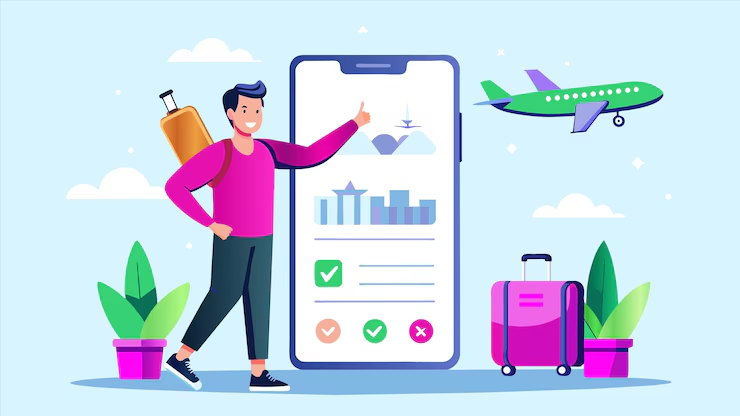
As mobile technology continues to evolve, travelers increasingly rely on their smartphones for planning and managing their trips. Travel businesses must adapt by implementing mobile solutions that cater to this on-the-go audience. Mobile apps can provide users with essential features such as booking capabilities, itinerary management, and real-time updates on flight status or gate changes.
For instance, airlines have developed apps that allow passengers to check in digitally, select seats, and receive notifications about delays or cancellations directly on their devices. Moreover, mobile solutions can enhance customer engagement by offering personalized content and recommendations based on user behavior. For example, a travel app might suggest nearby attractions or dining options based on a traveler’s location and preferences.
This level of convenience not only improves the overall travel experience but also encourages users to engage with the brand more frequently. By investing in mobile technology, travel businesses can position themselves as forward-thinking entities that prioritize customer convenience and satisfaction.
Improving Communication and Collaboration with Technology
Effective communication is vital in the travel industry, where coordination among various stakeholders is essential for delivering seamless experiences. Technology has revolutionized how travel businesses communicate internally and externally. Collaboration tools such as project management software and instant messaging platforms enable teams to work together efficiently, regardless of their physical location.
For example, a global travel agency might use cloud-based tools to facilitate communication between its offices in different countries, ensuring that all team members are aligned on project goals and timelines. Additionally, enhancing communication with customers is equally important for building trust and loyalty. Travel companies can utilize customer relationship management (CRM) systems to track interactions with clients and personalize communication accordingly.
Automated email campaigns can keep customers informed about special offers or updates related to their bookings. Furthermore, social media platforms provide an avenue for real-time engagement with travelers who may have questions or concerns during their journeys. By leveraging technology for communication purposes, travel businesses can foster stronger relationships with both employees and customers.
Ensuring Security and Compliance in the Travel Industry
In an increasingly digital world, security and compliance have become paramount concerns for travel businesses handling sensitive customer information. Data breaches can have devastating consequences not only for affected individuals but also for the reputation of the company involved. As such, implementing robust cybersecurity measures is essential for protecting customer data from unauthorized access or theft.
Travel companies must invest in encryption technologies, secure payment gateways, and regular security audits to safeguard their systems against potential threats. Moreover, compliance with industry regulations is critical in maintaining trust with customers and partners alike. The General Data Protection Regulation (GDPR) in Europe is one example of legislation that mandates strict guidelines on how companies handle personal data.
Travel businesses operating internationally must navigate various regulatory landscapes while ensuring they adhere to local laws regarding data protection and privacy. By prioritizing security and compliance measures, travel companies not only protect themselves from legal repercussions but also demonstrate their commitment to safeguarding customer interests in an increasingly complex digital environment.
If you are looking to enhance your travel business with technology, you may also be interested in learning about the benefits of AI for small businesses. In the article “What are the Key Benefits of AI for Small Businesses,” Techno Softwares explores how artificial intelligence can revolutionize operations and customer experiences. By leveraging AI tools, you can streamline processes, personalize services, and gain valuable insights to stay ahead in the competitive travel industry. Let Techno Softwares help you navigate the world of technology and unlock the full potential of your business.
FAQs
What are some common challenges faced by travel businesses?
Some common challenges faced by travel businesses include managing bookings and reservations, providing personalized customer experiences, staying competitive in the market, and dealing with the complexities of global travel regulations and restrictions.
How can technology help solve these challenges for travel businesses?
Technology can help solve these challenges for travel businesses by providing efficient booking and reservation management systems, enabling the personalization of customer experiences through data analytics and AI, offering competitive pricing and marketing strategies, and ensuring compliance with global travel regulations through automated processes.
What are some specific technologies that can be used to address travel business challenges?
Specific technologies that can be used to address travel business challenges include cloud-based booking and reservation systems, customer relationship management (CRM) software, data analytics and AI for personalization, digital marketing tools, and compliance management software for global travel regulations.
How can Techno Softwares help travel businesses in solving their challenges with technology?
Techno Softwares can help travel businesses in solving their challenges with technology by providing custom software solutions, mobile app development, website development, and digital marketing services tailored to the specific needs of the travel industry. They can also offer consulting and support services to ensure the successful implementation and utilization of technology solutions.