
How to Successfully Integrate Cloud Solutions in Enterprise Software
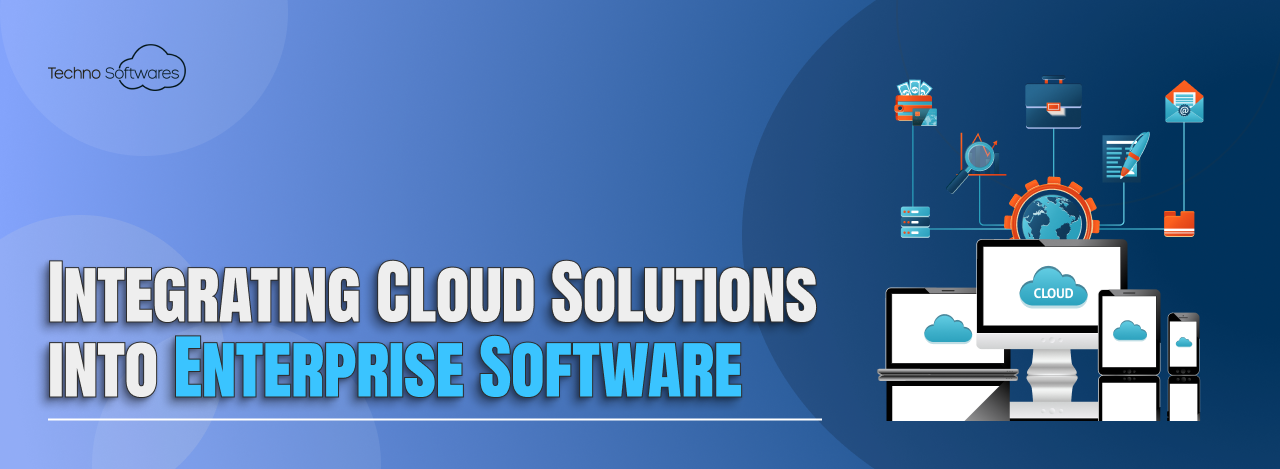
As we delve into the realm of enterprise software, it becomes increasingly clear that cloud solutions offer a plethora of benefits that can significantly enhance our operational efficiency. One of the most compelling advantages is the scalability that cloud services provide. Unlike traditional on-premises systems, which often require substantial upfront investments in hardware and software, cloud solutions allow us to scale our resources up or down based on our current needs.
This flexibility not only helps us manage costs more effectively but also enables us to respond swiftly to market changes and business demands. Moreover, cloud solutions facilitate collaboration across teams and departments. With cloud-based applications, we can access our data and tools from anywhere, at any time, as long as we have an internet connection.
This accessibility fosters a culture of collaboration, as team members can work together in real-time, regardless of their physical location. The ability to share documents, communicate seamlessly, and manage projects collectively enhances productivity and drives innovation within our organizations. As we embrace these cloud technologies, we position ourselves to harness the full potential of our workforce.
Key Takeaways
- Cloud solutions in enterprise software offer scalability, cost-efficiency, and flexibility.
- It’s important to identify the right cloud solutions that align with your enterprise’s specific needs and goals.
- Overcoming integration challenges in enterprise software is crucial for seamless cloud integration.
- Leveraging Techno Softwares can help streamline cloud integration and improve overall business processes.
- Ensuring data security and compliance is essential when integrating cloud solutions into enterprise software.
Identifying the Right Cloud Solutions for Your Enterprise
**Choosing the Right Cloud Solution**
Choosing the right cloud solution for our enterprise is a critical step that requires careful consideration and strategic planning. We must first assess our specific business needs and objectives. Are we looking for a comprehensive suite of applications that can handle everything from customer relationship management to human resources? Or do we need specialized tools that cater to particular functions? By identifying our requirements, we can narrow down our options and focus on solutions that align with our goals.
**Evaluating Deployment Models**
Additionally, we should evaluate the various deployment models available in the cloud landscape. Public, private, and hybrid clouds each offer distinct advantages and limitations. A public cloud may provide cost savings and ease of use, while a private cloud can offer enhanced security and control over sensitive data. A hybrid approach allows us to enjoy the benefits of both models, enabling us to keep critical applications on-premises while leveraging the scalability of public cloud services for less sensitive workloads.
**Making Informed Decisions**
By carefully weighing these factors, we can make informed decisions that will set the foundation for successful cloud integration. This involves considering the trade-offs between different cloud models, evaluating the costs and benefits of each option, and determining which solution best aligns with our business objectives. By taking a thoughtful and strategic approach to cloud integration, we can ensure a smooth transition to the cloud and set our organization up for long-term success.
**Key Takeaways**
In conclusion, choosing the right cloud solution requires careful consideration of our business needs, objectives, and deployment models. By evaluating the advantages and limitations of different cloud models and making informed decisions, we can set the foundation for successful cloud integration and position our organization for long-term success.
Overcoming Integration Challenges in Enterprise Software
While the benefits of cloud solutions are undeniable, integrating these systems with our existing enterprise software can present significant challenges. One of the primary hurdles we face is data silos. Often, different departments within our organization use disparate systems that do not communicate effectively with one another.
This lack of integration can lead to inefficiencies, as employees may struggle to access the information they need when they need it. To overcome this challenge, we must prioritize creating a unified data strategy that promotes interoperability among our various software applications. Another challenge we encounter is the complexity of migrating legacy systems to the cloud.
Many enterprises have invested heavily in on-premises solutions that have become deeply embedded in their operations. Transitioning these systems to a cloud environment requires careful planning and execution to minimize disruptions. We must conduct thorough assessments of our existing infrastructure and develop a comprehensive migration strategy that addresses potential risks and ensures a smooth transition.
By taking a proactive approach to integration challenges, we can pave the way for a successful cloud adoption journey.
Leveraging Techno Softwares for Seamless Cloud Integration
In our quest for seamless cloud integration, leveraging specialized software solutions can be a game-changer. Techno Softwares offers a range of tools designed to facilitate the integration process, enabling us to connect our existing systems with new cloud applications effortlessly. These solutions often come equipped with pre-built connectors and APIs that simplify data exchange between different platforms, reducing the time and effort required for integration.
Furthermore, Techno Softwares provides robust support and resources to help us navigate the complexities of cloud integration. Their expertise in enterprise software allows us to tap into best practices and proven methodologies that can enhance our integration efforts. By collaborating with Techno Softwares, we can ensure that our cloud solutions are not only integrated effectively but also optimized for performance and scalability.
This partnership empowers us to focus on our core business objectives while leaving the technical intricacies of integration in capable hands.
Ensuring Data Security and Compliance in Cloud Integration
As we embrace cloud solutions, ensuring data security and compliance becomes paramount. The shift to the cloud introduces new vulnerabilities that we must address proactively. We need to implement robust security measures such as encryption, access controls, and regular audits to safeguard our sensitive information from potential breaches.
Additionally, it is essential to stay informed about evolving regulations and compliance standards relevant to our industry. By prioritizing security in our cloud strategy, we can build trust with our customers and stakeholders. Moreover, selecting cloud providers that prioritize security is crucial in our decision-making process.
We should thoroughly evaluate their security protocols, certifications, and track record in handling data breaches. A reputable provider will offer transparency regarding their security practices and provide us with the necessary tools to monitor and manage our data effectively. By establishing a strong security framework and partnering with trustworthy providers, we can mitigate risks associated with cloud integration while ensuring compliance with industry regulations.
Streamlining Business Processes with Cloud Integration

Streamlining Operations and Enhancing Accuracy
Cloud integration has the potential to revolutionize how we streamline our business processes. By connecting various applications and systems through the cloud, we can automate repetitive tasks and eliminate manual data entry errors. This automation not only saves time but also enhances accuracy across our operations.
Unlocking Valuable Insights and Driving Better Engagement
For instance, integrating our customer relationship management (CRM) system with marketing automation tools allows us to create targeted campaigns based on real-time customer data, ultimately driving better engagement and conversion rates. Additionally, cloud integration enables us to gain valuable insights through data analytics. By consolidating data from multiple sources into a single platform, we can analyze trends and patterns that inform our decision-making processes.
Positioning for Agility and Responsiveness
This holistic view of our operations empowers us to identify areas for improvement and optimize resource allocation effectively. As we leverage cloud integration to streamline our business processes, we position ourselves for greater agility and responsiveness in an ever-evolving marketplace.
Maximizing ROI with Cloud Integration in Enterprise Software
To maximize return on investment (ROI) from our cloud integration efforts, we must adopt a strategic approach that aligns technology with business objectives. One key aspect is measuring performance metrics that matter most to our organization. By establishing clear KPIs related to productivity, cost savings, and customer satisfaction, we can assess the impact of cloud integration on our bottom line effectively.
Moreover, continuous improvement should be at the forefront of our strategy. As we gather data on performance metrics, we should be prepared to iterate on our processes and make adjustments as needed. This commitment to ongoing optimization ensures that we are not only reaping immediate benefits but also positioning ourselves for long-term success in an increasingly competitive landscape.
By focusing on maximizing ROI through thoughtful cloud integration strategies, we can drive sustainable growth for our enterprise.
Future-Proofing Your Enterprise with Cloud Integration and Techno Softwares
As we look ahead, future-proofing our enterprise through cloud integration becomes essential in navigating an ever-changing technological landscape. The rapid pace of innovation means that businesses must remain agile and adaptable to stay competitive. By embracing cloud solutions now, we position ourselves to leverage emerging technologies such as artificial intelligence (AI) and machine learning (ML) in the future.
Techno Softwares plays a pivotal role in this journey by providing us with cutting-edge tools that facilitate ongoing innovation. Their commitment to staying ahead of industry trends ensures that we have access to the latest advancements in cloud technology. By integrating these solutions into our operations, we can harness the power of data-driven insights and automation to drive efficiency and enhance customer experiences.
In conclusion, as we navigate the complexities of enterprise software in today’s digital landscape, embracing cloud solutions offers us numerous benefits—from scalability and collaboration to enhanced security and streamlined processes. By carefully selecting the right solutions, overcoming integration challenges, and leveraging specialized software like Techno Softwares, we can position ourselves for success now and into the future. Through strategic planning and continuous improvement, we can maximize ROI while ensuring that our enterprise remains resilient in an ever-evolving marketplace.
If you are interested in learning more about how technology can revolutionize different industries, you may want to check out Techno Softwares’ article on “How AI is Revolutionizing the Future of Work.” This insightful piece explores the ways in which artificial intelligence is transforming the way we work and the potential impact it can have on various sectors. To read more about this fascinating topic, visit here.
FAQs
What are cloud solutions in enterprise software?
Cloud solutions in enterprise software refer to the use of cloud computing technology to deliver software applications and services to businesses over the internet. This allows companies to access and use software without the need for on-premises infrastructure and maintenance.
Why is it important to integrate cloud solutions in enterprise software?
Integrating cloud solutions in enterprise software offers numerous benefits, including cost savings, scalability, flexibility, and improved collaboration. It also allows for easier access to data and applications from anywhere, leading to increased productivity and efficiency.
How can Techno Softwares help in successfully integrating cloud solutions in enterprise software?
Techno Softwares is a leading provider of cloud-based solutions and services, offering expertise in cloud migration, integration, and management. Their team of experts can help businesses assess their needs, select the right cloud solutions, and seamlessly integrate them into their existing enterprise software systems.
What are the potential challenges of integrating cloud solutions in enterprise software?
Challenges of integrating cloud solutions in enterprise software may include data security concerns, compatibility issues with existing systems, and the need for proper training and change management. However, with the right expertise and support, these challenges can be effectively addressed.
What are some best practices for successfully integrating cloud solutions in enterprise software?
Best practices for integrating cloud solutions in enterprise software include conducting a thorough assessment of business needs, selecting the right cloud solutions, ensuring data security and compliance, providing proper training for employees, and continuously monitoring and optimizing the cloud environment.


