


How to Use SEO and SEM Together for Maximum Traffic
In the digital landscape, we often encounter the terms Search Engine Optimization (SEO) and Search Engine Marketing (SEM). Both are essential components of online marketing, yet they serve distinct purposes. SEO refers to the process of optimizing our website to improve its visibility in organic search results.
This involves various techniques, including keyword optimization, content creation, and link building, all aimed at enhancing our site’s relevance and authority in the eyes of search engines. By focusing on these elements, we can increase our chances of ranking higher in search results, thereby attracting more organic traffic. On the other hand, SEM encompasses a broader range of marketing strategies that include paid advertising.
It involves using paid search ads to appear prominently in search engine results pages (SERPs). While SEO is a long-term strategy that requires ongoing effort and patience, SEM can yield immediate results through targeted advertising campaigns. By understanding the nuances of both SEO and SEM, we can create a comprehensive digital marketing strategy that leverages the strengths of each approach to maximize our online presence.
Key Takeaways
- SEO focuses on organic search results, while SEM involves paid advertising to increase visibility on search engine results pages.
- Integrating SEO and SEM strategies can maximize visibility and drive more traffic to a website.
- Keyword research is crucial for both SEO and SEM, as it helps in targeting the right audience and improving search engine rankings.
- High-quality content is essential for both SEO and SEM, as it can improve user experience and increase engagement.
- Paid search advertising can be utilized to target specific audiences and maximize impact, especially when integrated with SEO strategies.
Integrating SEO and SEM strategies
Consistent Messaging and Targeted Audience
By aligning our SEO efforts with our SEM campaigns, we can ensure that our messaging is consistent and that we are targeting the right audience with the right keywords.
Efficient Budget Allocation and Improved Performance
This synergy not only improves our overall search engine performance but also helps us allocate our marketing budget more efficiently. One effective way to integrate these strategies is by using data from our SEM campaigns to inform our SEO efforts. For instance, we can analyze which keywords are driving the most conversions in our paid search ads and then optimize our website content around those same keywords.
Capitalizing on High-Performing Keywords and Continuous Improvement
This approach allows us to capitalize on high-performing keywords in both organic and paid search, ultimately leading to increased traffic and conversions. Additionally, by monitoring the performance of our SEO efforts, we can identify opportunities for new SEM campaigns, creating a feedback loop that continuously enhances our digital marketing strategy.
Keyword research and targeting
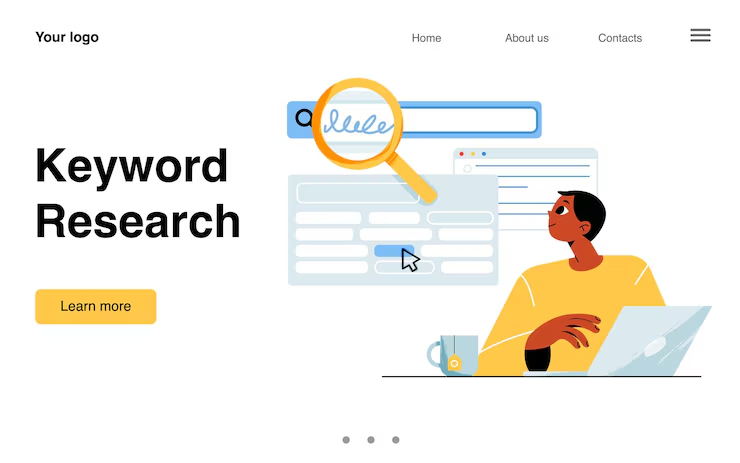
Keyword research is a fundamental aspect of both SEO and SEM that cannot be overlooked. It involves identifying the terms and phrases that potential customers use when searching for products or services similar to ours. By understanding these keywords, we can tailor our content and advertising strategies to meet the needs of our target audience.
We should utilize various tools and techniques to conduct thorough keyword research, including analyzing search volume, competition levels, and user intent. Once we have identified relevant keywords, we must prioritize them based on their potential impact on our business goals. Long-tail keywords, for example, may have lower search volumes but often lead to higher conversion rates due to their specificity.
By targeting these keywords in both our SEO and SEM efforts, we can attract highly qualified traffic that is more likely to convert into customers. Furthermore, we should continuously revisit our keyword strategy to adapt to changing trends and consumer behavior, ensuring that we remain competitive in the ever-evolving digital landscape.
Creating high-quality content for SEO and SEM
Content is at the heart of both SEO and SEM strategies. High-quality content not only helps us rank better in search engine results but also engages our audience and drives conversions. When creating content for SEO, we should focus on providing value to our readers by addressing their pain points and answering their questions.
This approach not only enhances user experience but also signals to search engines that our content is relevant and authoritative. In the context of SEM, compelling ad copy is crucial for capturing the attention of potential customers. We must craft ads that resonate with our target audience while incorporating relevant keywords to improve ad relevance scores.
Additionally, landing pages should be optimized for both user experience and conversion rates. By ensuring that our content aligns with the intent behind the keywords we are targeting, we can create a seamless experience for users transitioning from search results or ads to our website.
Utilizing paid search advertising for maximum impact
Paid search advertising is a powerful tool that can complement our SEO efforts by providing immediate visibility in search results. Platforms like Google Ads allow us to create targeted campaigns that reach specific demographics based on various criteria such as location, interests, and online behavior. By leveraging these capabilities, we can ensure that our ads are seen by the right audience at the right time.
To maximize the impact of our paid search advertising, we should continuously test and optimize our campaigns. This includes experimenting with different ad formats, headlines, and calls-to-action to determine what resonates best with our audience. Additionally, we should monitor key performance indicators (KPIs) such as click-through rates (CTR) and conversion rates to assess the effectiveness of our campaigns.
By analyzing this data, we can make informed decisions about where to allocate our budget for the best return on investment.
Monitoring and analyzing performance

Tracking Key Metrics
We should utilize various analytics tools to track key metrics such as organic traffic, keyword rankings, ad performance, and conversion rates. By regularly reviewing this data, we can gain valuable insights into what is working well and where there may be opportunities for improvement.
Conducting Regular Audits
In addition to tracking performance metrics, we should also conduct regular audits of both our SEO and SEM efforts. This involves assessing factors such as site speed, mobile-friendliness, and overall user experience for SEO, as well as evaluating ad spend efficiency and targeting accuracy for SEM.
Enhancing Digital Marketing Strategy
By taking a holistic approach to performance analysis, we can identify areas for optimization that will enhance our overall digital marketing strategy.
Adjusting strategies for optimal results
The digital marketing landscape is constantly evolving, which means that we must be agile in adjusting our strategies for optimal results. Based on the insights gained from monitoring performance, we should be prepared to pivot our approach as needed. This may involve refining our keyword targeting, updating ad copy, or even re-evaluating our overall marketing goals.
Moreover, staying informed about industry trends and algorithm updates is essential for maintaining a competitive edge. By keeping abreast of changes in search engine algorithms or shifts in consumer behavior, we can proactively adjust our strategies to align with new realities. This adaptability not only helps us stay relevant but also positions us for long-term success in an ever-changing digital environment.
Techno Softwares’ expertise in integrating SEO and SEM strategies
At Techno Softwares, we pride ourselves on our expertise in integrating SEO and SEM strategies to deliver exceptional results for our clients. Our team understands the intricacies of both approaches and how they can work together to enhance online visibility and drive conversions. We take a data-driven approach to digital marketing, utilizing advanced analytics tools to monitor performance and inform our strategies.
Our comprehensive services include thorough keyword research, high-quality content creation, targeted paid search advertising, and ongoing performance analysis. By leveraging these elements in tandem, we help businesses achieve their marketing goals while maximizing their return on investment. With Techno Softwares as a partner in your digital marketing journey, you can rest assured that your SEO and SEM strategies are in capable hands, allowing you to focus on what you do best—growing your business.
If you are interested in learning more about maximizing efficiency in your business, you may want to check out the article on maximizing efficiency with enterprise content management software. This article discusses the benefits of using ECM software to streamline your business processes and improve productivity. By integrating SEO and SEM strategies with efficient content management, you can further enhance your online presence and drive maximum traffic to your website.
FAQs
What is SEO and SEM?
SEO (Search Engine Optimization) is the process of optimizing your website to rank higher in search engine results, while SEM (Search Engine Marketing) involves using paid advertising to increase visibility in search engine results pages.
How can SEO and SEM be used together?
By integrating SEO and SEM strategies, you can maximize your website’s visibility and traffic. This can be achieved by using SEO to improve organic search rankings and using SEM to target specific keywords through paid advertising.
What are the benefits of using SEO and SEM together?
Using SEO and SEM together can help increase your website’s visibility in search engine results, drive more targeted traffic to your site, and improve overall online presence. It can also help in reaching a wider audience and increasing brand awareness.
How can Techno Softwares help integrate SEO and SEM strategies?
Techno Softwares can help integrate SEO and SEM strategies by conducting keyword research, optimizing website content, managing paid advertising campaigns, and providing comprehensive analytics to track the performance of both strategies.
What are some best practices for integrating SEO and SEM?
Some best practices for integrating SEO and SEM include aligning keyword targeting, creating high-quality and relevant content, optimizing landing pages, and continuously monitoring and adjusting strategies based on performance data.


