

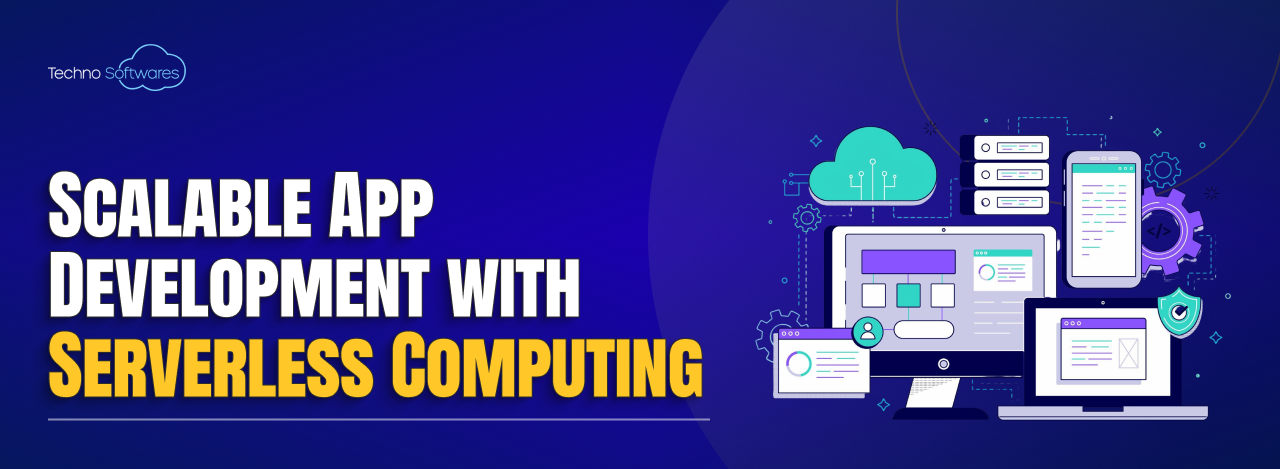
Leveraging Serverless Computing for Scalable App Development
In recent years, the landscape of application development has undergone a significant transformation, with serverless computing emerging as a revolutionary paradigm. This innovative approach allows developers to build and run applications without the need to manage the underlying infrastructure. Instead of provisioning and maintaining servers, we can focus on writing code and deploying applications, while the cloud provider takes care of the rest.
This shift not only streamlines the development process but also enables us to create more agile and responsive applications that can adapt to changing user demands. As we delve deeper into serverless computing, it becomes clear that this model is not merely a trend but a fundamental change in how we think about application architecture. By abstracting away the complexities of server management, we can leverage cloud services to automatically scale our applications based on real-time usage.
This flexibility allows us to respond quickly to fluctuations in demand, ensuring that our applications remain performant and reliable. In this article, we will explore the myriad benefits of serverless computing, how it can enhance cost efficiency, and the best practices for implementing this approach in our app development projects.
Key Takeaways
- Serverless computing allows developers to focus on writing code without worrying about managing infrastructure
- Benefits of serverless computing include automatic scaling, reduced operational costs, and faster time to market
- Leveraging serverless computing can lead to cost efficiency by paying only for the resources used
- Techno Softwares can assist with serverless app development by providing expertise in cloud services and serverless architecture
- Case studies of successful serverless app development showcase how companies have achieved scalability and cost savings
- Best practices for leveraging serverless computing include optimizing function performance and managing dependencies
- Challenges for serverless app development include vendor lock-in and managing distributed systems
- Future trends in serverless computing for app development include increased adoption of serverless architectures and improved tooling for serverless development
Benefits of Serverless Computing for Scalable App Development
One of the most compelling advantages of serverless computing is its inherent scalability. As our applications grow and user traffic fluctuates, serverless architectures automatically adjust resources to meet demand. This means that during peak usage times, our applications can seamlessly scale up to handle increased loads without any manual intervention.
Conversely, during quieter periods, resources can be scaled down, ensuring that we are not paying for unused capacity. This dynamic scaling capability allows us to maintain optimal performance while minimizing resource waste. Moreover, serverless computing fosters a more efficient development process.
By eliminating the need for infrastructure management, we can allocate more time and resources to writing code and developing features that enhance user experience. This focus on development rather than operations accelerates our time-to-market, allowing us to deliver new functionalities and updates more rapidly. Additionally, serverless architectures often come with built-in monitoring and logging capabilities, providing us with valuable insights into application performance and user behavior.
This data-driven approach enables us to make informed decisions about future enhancements and optimizations.
Leveraging Serverless Computing for Cost Efficiency
Cost efficiency is another significant benefit of adopting serverless computing in our app development strategy. Traditional server-based architectures often require us to provision resources based on anticipated demand, leading to potential over-provisioning and wasted expenditure. In contrast, serverless computing operates on a pay-as-you-go model, where we only pay for the actual compute time consumed by our applications.
This model aligns costs directly with usage, allowing us to optimize our budgets and allocate resources more effectively. Furthermore, serverless architectures reduce operational overhead by minimizing the need for dedicated DevOps teams to manage infrastructure. With cloud providers handling maintenance tasks such as updates, security patches, and scaling, we can redirect our focus toward innovation and feature development.
This shift not only enhances productivity but also reduces the overall cost of ownership associated with running applications. By leveraging serverless computing, we can achieve a more sustainable financial model that supports growth without compromising on quality or performance.
How Techno Softwares Can Assist with Serverless App Development
As we navigate the complexities of serverless app development, partnering with a knowledgeable provider like Techno Softwares can significantly enhance our journey. With their expertise in cloud technologies and serverless architectures, they can guide us through the intricacies of designing and deploying applications that leverage these modern frameworks. Their team of experienced developers understands the nuances of various cloud platforms and can help us select the right tools and services that align with our specific needs.
Techno Softwares also offers comprehensive support throughout the development lifecycle. From initial planning and architecture design to deployment and ongoing maintenance, they provide valuable insights and best practices that can streamline our processes. Their commitment to staying updated with the latest advancements in serverless computing ensures that we are leveraging cutting-edge technologies to build robust and scalable applications.
By collaborating with Techno Softwares, we can harness their expertise to maximize the benefits of serverless computing while minimizing potential pitfalls.
Case Studies of Successful Serverless App Development
To illustrate the transformative power of serverless computing, we can look at several case studies that highlight successful implementations across various industries. For instance, a leading e-commerce platform adopted a serverless architecture to handle its fluctuating traffic during seasonal sales events. By utilizing serverless functions for critical components such as payment processing and inventory management, they achieved remarkable scalability without compromising performance.
The result was a seamless shopping experience for customers, even during peak traffic periods. Another compelling example comes from a healthcare startup that leveraged serverless computing to develop a telemedicine application. By utilizing serverless functions for video streaming and patient data processing, they were able to rapidly scale their application in response to increased demand during the pandemic.
This flexibility not only improved patient access to healthcare services but also allowed the startup to innovate quickly by adding new features based on user feedback. These case studies demonstrate how organizations across diverse sectors are harnessing the power of serverless computing to drive growth and enhance user experiences.
Best Practices for Leveraging Serverless Computing
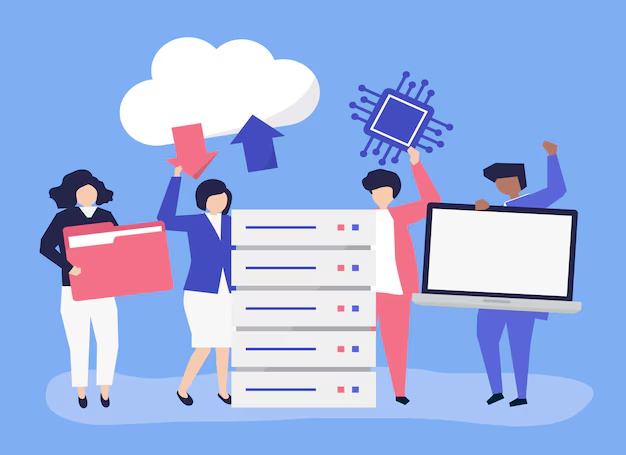
As we embark on our journey into serverless computing, adhering to best practices is essential for maximizing its benefits while minimizing potential challenges. One key practice is to design applications with a microservices architecture in mind. By breaking down our applications into smaller, independent functions, we can achieve greater flexibility and scalability.
This modular approach allows us to deploy updates or new features without affecting the entire application, reducing downtime and enhancing user satisfaction. Another important consideration is monitoring and logging. While serverless architectures often come with built-in monitoring tools, it is crucial for us to implement additional logging mechanisms to gain deeper insights into application performance.
By tracking metrics such as response times, error rates, and resource utilization, we can identify bottlenecks and optimize our functions accordingly. Additionally, setting up alerts for critical issues ensures that we can respond promptly to any anomalies that may arise in production.
Challenges and Considerations for Serverless App Development
Despite its many advantages, serverless computing is not without its challenges. One significant concern is vendor lock-in; as we build applications on specific cloud platforms, migrating to another provider can become complex and costly. To mitigate this risk, we should consider adopting a multi-cloud strategy or utilizing open-source frameworks that allow for greater flexibility in deployment options.
Another challenge lies in managing cold starts—when a function is invoked after being idle for a period of time, it may take longer to execute due to initialization delays. This latency can impact user experience if not addressed properly. To counteract this issue, we can implement strategies such as keeping functions warm or optimizing function code for faster execution times.
By being aware of these challenges and proactively addressing them, we can ensure a smoother transition into serverless app development.
Future Trends in Serverless Computing for App Development
Looking ahead, the future of serverless computing appears promising as it continues to evolve alongside advancements in technology. One emerging trend is the integration of artificial intelligence (AI) and machine learning (ML) capabilities within serverless architectures. As these technologies become more accessible through cloud services, we can leverage them to enhance our applications with intelligent features such as predictive analytics and personalized user experiences.
Additionally, as organizations increasingly prioritize sustainability, serverless computing offers an environmentally friendly alternative by optimizing resource usage and reducing energy consumption associated with traditional server infrastructures. As cloud providers continue to innovate in this space, we can expect further enhancements in performance, security, and ease of use within serverless frameworks. In conclusion, embracing serverless computing presents us with an opportunity to revolutionize our app development processes.
By understanding its benefits, leveraging cost efficiencies, collaborating with experts like Techno Softwares, and adhering to best practices while being mindful of challenges, we can position ourselves at the forefront of this transformative technology. As we look toward the future, staying informed about emerging trends will enable us to harness the full potential of serverless computing in our ongoing quest for innovation and excellence in application development.
If you are interested in building an eCommerce website using WordPress, you should check out the article Build an eCommerce Website Using WordPress. This article provides valuable insights and tips on how to create a successful online store using the popular content management system. Leveraging serverless computing for scalable app development, as discussed in our article, can also be beneficial for eCommerce websites looking to handle high traffic and provide a seamless user experience.
FAQs
What is serverless computing?
Serverless computing is a cloud computing model where the cloud provider dynamically manages the allocation of machine resources. It allows developers to focus on writing code without worrying about the underlying infrastructure.
How does serverless computing help with scalable app development?
Serverless computing allows apps to automatically scale based on demand. It can handle a large number of concurrent users without the need for manual intervention, making it ideal for scalable app development.
What are the benefits of leveraging serverless computing for app development?
Some benefits of serverless computing for app development include reduced operational costs, improved scalability, faster time to market, and simplified infrastructure management.
How can Techno Softwares help with serverless app development?
Techno Softwares offers expertise in serverless computing and can help businesses leverage this technology for scalable app development. Their team can assist with architecture design, development, and deployment of serverless applications.


