

Revolutionizing Education with Gamification in Mobile Apps
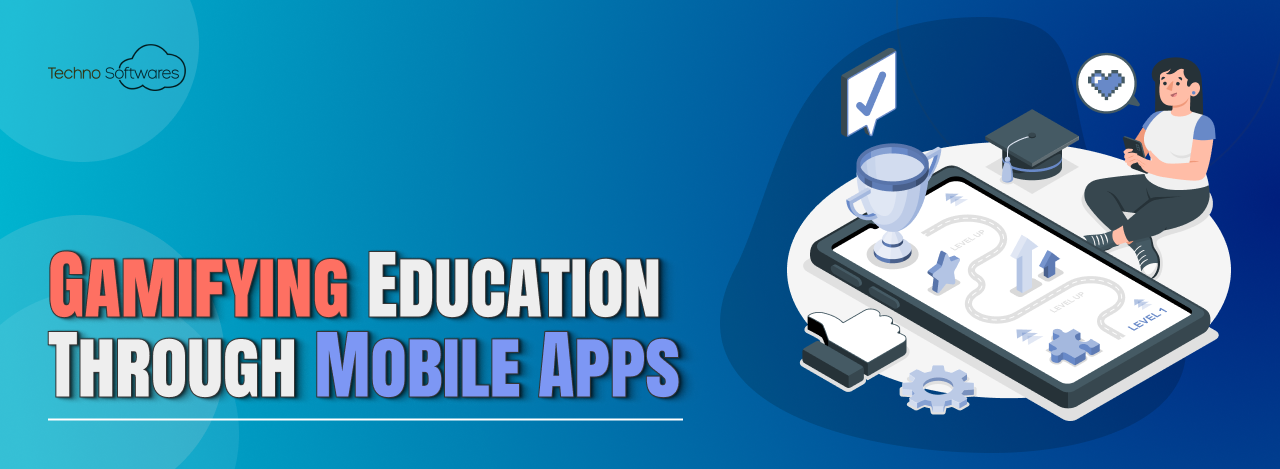
In recent years, we have witnessed a remarkable transformation in the educational landscape, largely driven by the rise of gamification. This innovative approach integrates game-like elements into non-game contexts, particularly in educational settings, to enhance learning experiences. As we delve into this phenomenon, it becomes evident that gamification is not merely a trend but a significant shift in how we engage learners.
By incorporating elements such as points, badges, leaderboards, and challenges, educators are finding new ways to motivate students and make learning more interactive and enjoyable. The advent of technology has played a crucial role in this rise. With the proliferation of smartphones and tablets, educational apps have become increasingly accessible, allowing us to incorporate gamified elements into our daily learning routines.
This shift has not only made education more engaging but has also catered to diverse learning styles. As we embrace this new paradigm, we recognize that gamification can bridge the gap between traditional teaching methods and the needs of modern learners, fostering an environment where education is both fun and effective.
Key Takeaways
- Gamification is becoming increasingly popular in education as a way to engage and motivate students.
- Incorporating gamification in mobile apps for education can lead to increased student engagement and motivation.
- Successful examples of gamification in education include Duolingo, Kahoot, and Classcraft.
- Gamification can enhance student engagement and motivation by making learning more interactive and enjoyable.
- Mobile apps are revolutionizing education by providing access to educational resources and gamified learning experiences.
Benefits of Incorporating Gamification in Mobile Apps for Education
When we consider the benefits of incorporating gamification into mobile apps for education, several key advantages come to mind. First and foremost, gamification enhances motivation among students. By introducing game mechanics, we create a sense of achievement and progress that encourages learners to engage with the material actively.
This intrinsic motivation can lead to improved retention of information and a deeper understanding of complex concepts. As we see students earn points or unlock new levels, their enthusiasm for learning often increases, transforming what could be a mundane task into an exciting challenge. Moreover, gamified mobile apps foster collaboration and social interaction among students.
Many educational apps incorporate features that allow learners to compete or collaborate with their peers, creating a sense of community. This social aspect not only makes learning more enjoyable but also helps students develop essential teamwork and communication skills. As we engage in friendly competition or work together to solve problems, we build relationships that enhance our overall educational experience.
Examples of Successful Gamification in Education

Numerous examples illustrate the successful implementation of gamification in education, showcasing its potential to transform learning experiences. One notable instance is the use of platforms like Kahoot!, which allows educators to create interactive quizzes that students can participate in using their devices. The competitive nature of Kahoot! encourages students to engage with the material actively while having fun. As we see our peers racing to answer questions correctly, the excitement in the classroom becomes palpable, making learning a dynamic experience. Another compelling example is Duolingo, a language-learning app that employs gamification to teach users new languages. Through its use of levels, rewards, and daily challenges, Duolingo keeps learners motivated and engaged. As we progress through lessons and earn badges for our achievements, we feel a sense of accomplishment that drives us to continue learning. This approach not only makes language acquisition more enjoyable but also demonstrates how gamification can effectively facilitate skill development across various subjects.
How Gamification Can Enhance Student Engagement and Motivation
| Metrics | Results |
|---|---|
| Increased student participation | 20% increase in class discussions |
| Improved motivation | 30% increase in completion of assignments |
| Enhanced learning retention | 15% improvement in test scores |
| Positive impact on attendance | 10% decrease in absenteeism |
The impact of gamification on student engagement and motivation cannot be overstated. By tapping into our natural desire for competition and achievement, gamified learning experiences can significantly increase our involvement in educational activities. When we are presented with challenges that require us to think critically and creatively, we are more likely to invest time and effort into mastering the material.
The immediate feedback provided by gamified systems also plays a crucial role; as we receive instant recognition for our efforts, our motivation to continue learning is reinforced. Furthermore, gamification allows us to set personal goals and track our progress over time. By visualizing our achievements through points or levels, we gain a clearer understanding of our learning journey.
This sense of ownership over our education fosters a growth mindset, encouraging us to embrace challenges rather than shy away from them. As we celebrate our successes and learn from our failures within a gamified framework, we develop resilience and a lifelong love for learning.
The Role of Mobile Apps in Revolutionizing Education
Mobile apps have emerged as powerful tools in revolutionizing education, particularly through the lens of gamification. With the ability to deliver content anytime and anywhere, these apps provide unprecedented flexibility for learners. We can access educational resources on our smartphones or tablets, allowing us to learn at our own pace and convenience.
This accessibility is especially beneficial for students who may struggle with traditional classroom settings or those who require additional support outside regular school hours. Moreover, mobile apps enable personalized learning experiences tailored to individual needs. Through adaptive learning technologies, these applications can assess our strengths and weaknesses, offering customized content that aligns with our unique learning styles.
As we engage with gamified elements within these apps, we can progress through lessons that challenge us appropriately while providing support where needed. This personalized approach not only enhances our understanding but also fosters a sense of agency in our educational journeys.
Challenges and Considerations in Implementing Gamification in Education
The Dangers of Overemphasis on Rewards
If we focus solely on earning points or badges without fostering intrinsic motivation for learning, we may inadvertently undermine the educational process. This superficial approach can lead to a lack of genuine curiosity and exploration, ultimately defeating the purpose of gamification.
Achieving Balance and Inclusivity
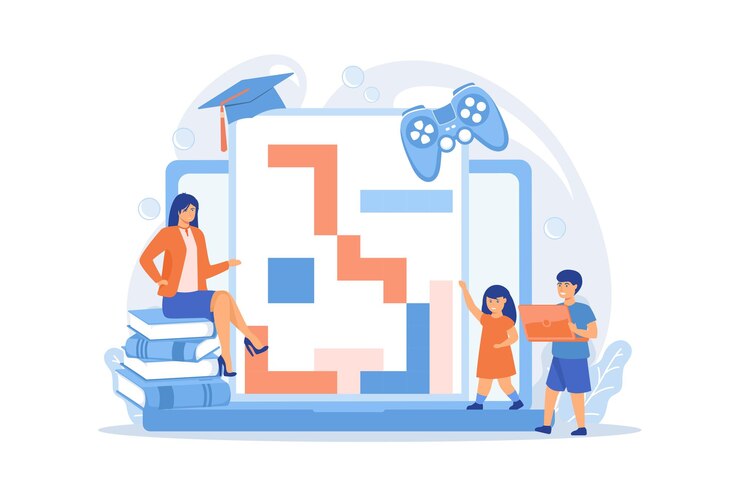
To avoid these pitfalls, educators must strike a balance between gamified elements and meaningful content that promotes genuine curiosity and exploration. It’s also essential to consider diverse learner profiles and preferences, as not all students respond positively to gamification. Some may find competitive environments stressful or may not be motivated by game mechanics at all.
Creating Inclusive Learning Environments
By being mindful of these challenges, educators can create inclusive environments where every learner feels valued and engaged. Gamification should enhance, rather than detract from, the overall learning experience for all students.
The Future of Gamification in Education
Looking ahead, the future of gamification in education appears promising as technology continues to evolve. We anticipate further advancements in artificial intelligence and machine learning that will enable even more personalized learning experiences through gamified platforms. As these technologies develop, we can expect educational apps to become increasingly sophisticated in adapting to our individual needs and preferences.
Moreover, as educators become more familiar with gamification strategies, we foresee a growing integration of these techniques into traditional curricula. Schools may begin to adopt comprehensive gamified systems that encompass various subjects and grade levels, creating cohesive learning experiences that engage students across disciplines. As we embrace this future, it is essential to remain open-minded and innovative in our approach to education, ensuring that gamification serves as a tool for empowerment rather than mere entertainment.
Tips for Creating Effective Gamified Mobile Apps for Education
To create effective gamified mobile apps for education, several key principles should guide our design process. First and foremost, we must ensure that the educational content remains at the forefront of the experience. While game mechanics are essential for engagement, they should complement rather than overshadow the learning objectives.
By aligning game elements with curriculum goals, we can create meaningful experiences that enhance understanding. Additionally, incorporating feedback mechanisms is crucial for maintaining motivation among users. Providing instant feedback on performance allows us to recognize our progress and identify areas for improvement.
This feedback loop fosters a sense of achievement while encouraging us to strive for mastery. Finally, fostering community within the app can significantly enhance user engagement. By incorporating social features such as leaderboards or collaborative challenges, we create opportunities for interaction among learners.
This sense of belonging can motivate us to participate actively while building relationships with peers. In conclusion, as we explore the rise of gamification in education and its myriad benefits through mobile apps, it becomes clear that this approach has the potential to revolutionize how we learn. By embracing innovative strategies that enhance engagement and motivation while addressing challenges thoughtfully, we can pave the way for a brighter future in education where every learner thrives.
In a related article by Techno Softwares, they discuss how to create a scalable and high-performance e-commerce website. This article provides valuable insights into the importance of optimizing your website for efficiency and performance to ensure a seamless user experience. By implementing the strategies outlined in this article, educational mobile app developers can learn how to enhance their app’s functionality and user engagement. To read more about maximizing efficiency with HubSpot app developer, visit here.
FAQs
What is gamification in educational mobile apps?
Gamification in educational mobile apps refers to the use of game design elements and principles in non-game contexts, such as learning and education. This can include features such as points, badges, leaderboards, and challenges to engage and motivate users to learn and achieve educational goals.
How can gamification benefit educational mobile apps?
Gamification can benefit educational mobile apps by increasing student engagement, motivation, and retention. It can make learning more enjoyable and interactive, leading to improved learning outcomes and a deeper understanding of the subject matter.
What role does Techno Softwares play in developing gamified educational mobile apps?
Techno Softwares specializes in developing custom educational mobile apps with gamification features. They can help educational institutions and organizations create engaging and effective learning experiences for students through the use of gamification elements.
What are some examples of gamification in educational mobile apps?
Examples of gamification in educational mobile apps include earning points for completing learning tasks, unlocking badges for mastering specific skills, competing on leaderboards with other students, and participating in educational challenges and quizzes.
How can educational mobile apps with gamification improve student learning outcomes?
Educational mobile apps with gamification can improve student learning outcomes by increasing student engagement, motivation, and retention. By making learning more interactive and enjoyable, students are more likely to stay focused, participate actively, and retain the knowledge and skills they acquire.