

Techno Softwares’ Strategies for High-Impact Digital Campaigns
To effectively connect with our audience, we must first delve into the intricacies of who they are. Understanding our target audience involves more than just demographic data; it requires us to explore their interests, behaviors, and pain points. By creating detailed buyer personas, we can paint a vivid picture of our ideal customers.
This process allows us to tailor our marketing strategies to resonate with their specific needs and preferences. We should consider factors such as age, gender, location, and income level, but we must also dig deeper into their motivations and aspirations. What drives them to make purchasing decisions?
What challenges do they face that our products or services can help alleviate? Moreover, engaging with our audience through surveys, social media interactions, and feedback forms can provide invaluable insights. By actively listening to their opinions and experiences, we can refine our understanding and adapt our strategies accordingly.
This two-way communication fosters a sense of community and trust, which is essential for building long-lasting relationships. As we gather this information, we should remain flexible and open to evolving our approach based on the changing dynamics of our audience. Ultimately, a comprehensive understanding of our target audience will empower us to create more relevant and impactful marketing campaigns.
Key Takeaways
- Understanding the target audience is crucial for effective marketing strategies
- Utilizing data-driven insights can help in making informed decisions and targeting the right audience
- Implementing multi-channel marketing can help in reaching a wider audience and increasing brand visibility
- Creating engaging and interactive content can help in capturing the audience’s attention and increasing engagement
- Leveraging influencer partnerships can help in reaching a larger and more targeted audience and building credibility
Utilizing Data-Driven Insights
Collecting and Analyzing Data
In today’s digital landscape, data is a powerful tool that can guide our marketing efforts. By harnessing data-driven insights, we can make informed decisions that enhance our strategies and improve our outcomes. We should start by collecting data from various sources, including website analytics, social media metrics, and customer feedback.
Uncovering Patterns and Trends
This wealth of information allows us to identify trends, track user behavior, and measure the effectiveness of our campaigns. By analyzing this data, we can uncover patterns that inform our marketing tactics and help us allocate resources more efficiently. Furthermore, we must embrace the concept of A/B testing to refine our approaches continually.
Optimizing Campaigns and Building Trust
By experimenting with different messaging, visuals, and channels, we can determine what resonates best with our audience. This iterative process not only enhances our understanding of customer preferences but also enables us to optimize our campaigns in real-time. As we leverage data-driven insights, we should remain vigilant about privacy concerns and ensure that we are transparent in how we collect and use customer information. By prioritizing ethical data practices, we can build trust with our audience while maximizing the effectiveness of our marketing initiatives.
Implementing Multi-Channel Marketing
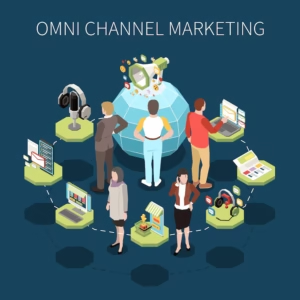
In an increasingly interconnected world, a multi-channel marketing approach is essential for reaching our audience where they are most active. By diversifying our marketing channels—such as social media, email, content marketing, and paid advertising—we can create a cohesive brand experience that engages customers at multiple touchpoints. Each channel offers unique opportunities for interaction, allowing us to tailor our messaging to suit the specific context of each platform.
For instance, while social media may lend itself to more casual and visually-driven content, email marketing can provide in-depth information and personalized offers. Moreover, integrating these channels ensures that our messaging remains consistent and reinforces our brand identity. We should strive to create a seamless experience for customers as they move between different platforms.
This could involve using retargeting ads to remind users of products they viewed on our website or sharing user-generated content across social media to foster community engagement. By implementing a multi-channel strategy, we not only increase our visibility but also enhance the likelihood of conversion as customers encounter our brand in various contexts.
Creating Engaging and Interactive Content
To capture the attention of our audience in a crowded digital space, we must prioritize creating engaging and interactive content. This type of content goes beyond traditional formats by encouraging active participation from users. We can incorporate elements such as polls, quizzes, and interactive infographics that invite users to engage with the material in meaningful ways.
By fostering this level of interaction, we not only enhance user experience but also gather valuable insights into customer preferences and behaviors. Additionally, storytelling plays a crucial role in making our content more relatable and memorable. By weaving narratives that resonate with our audience’s experiences or aspirations, we can create an emotional connection that drives engagement.
Visual elements such as videos and images can further enhance storytelling by making it more dynamic and appealing. As we develop this content, we should keep in mind the importance of authenticity; users are more likely to engage with content that feels genuine and aligns with their values. Ultimately, by prioritizing engaging and interactive content, we can cultivate a loyal audience that is eager to connect with our brand.
Leveraging Influencer Partnerships
In the realm of digital marketing, influencer partnerships have emerged as a powerful strategy for reaching new audiences and building credibility. By collaborating with influencers who align with our brand values and target demographic, we can tap into their established communities and gain access to potential customers who may not have been aware of us otherwise. These influencers serve as trusted voices within their niches, making their endorsements particularly impactful in shaping consumer perceptions.
When selecting influencers for partnerships, we should consider factors such as their engagement rates, authenticity, and relevance to our brand. It’s essential to foster genuine relationships with these influencers rather than simply treating them as promotional tools. By involving them in the creative process—whether through co-creating content or seeking their input on campaigns—we can ensure that the partnership feels authentic to their audience.
As we leverage influencer partnerships effectively, we not only expand our reach but also enhance our brand’s credibility through association with trusted figures in the industry.
Optimizing for Mobile and Voice Search

As mobile devices continue to dominate internet usage, optimizing for mobile search has become a non-negotiable aspect of our marketing strategy. We must ensure that our websites are mobile-friendly, providing a seamless user experience across all devices. This includes optimizing page load times, simplifying navigation, and ensuring that content is easily accessible on smaller screens.
By prioritizing mobile optimization, we can capture the attention of users who are increasingly relying on their smartphones for information and shopping. In addition to mobile optimization, voice search is rapidly gaining traction as more consumers utilize voice-activated devices for their queries. To adapt to this trend, we should focus on incorporating natural language processing into our SEO strategies.
This involves understanding how users phrase their questions verbally and optimizing our content accordingly. By anticipating the types of queries users may voice-search for—such as “best local coffee shop” or “how to fix a leaky faucet”—we can position ourselves as relevant sources of information in response to these inquiries. Embracing both mobile and voice search optimization will ensure that we remain accessible to a broader audience in an evolving digital landscape.
Utilizing AI and Machine Learning Technologies
The integration of artificial intelligence (AI) and machine learning technologies into our marketing strategies presents exciting opportunities for innovation and efficiency. These technologies enable us to analyze vast amounts of data quickly and accurately, allowing us to gain deeper insights into customer behavior and preferences. For instance, AI-driven analytics tools can help us identify trends in consumer purchasing patterns or predict future buying behaviors based on historical data.
Moreover, AI can enhance personalization efforts by enabling us to deliver tailored content and recommendations to individual users. By leveraging machine learning algorithms, we can analyze user interactions in real-time and adjust our messaging accordingly. This level of personalization not only improves user experience but also increases the likelihood of conversion as customers receive relevant offers that align with their interests.
As we embrace AI and machine learning technologies in our marketing efforts, we must remain mindful of ethical considerations surrounding data privacy and ensure that we use these tools responsibly.
Measuring and Analyzing Campaign Performance
To gauge the effectiveness of our marketing campaigns, measuring and analyzing performance is crucial. We should establish clear key performance indicators (KPIs) that align with our campaign objectives—whether it’s increasing website traffic, generating leads, or boosting sales. By tracking these metrics over time, we can assess what’s working well and identify areas for improvement.
Utilizing analytics tools allows us to gather data on user engagement across various channels—such as click-through rates on emails or conversion rates from social media ads. Regularly reviewing this data enables us to make informed adjustments to our strategies in real-time. Additionally, conducting post-campaign analyses provides valuable insights into overall performance and helps us refine future campaigns based on lessons learned.
By prioritizing measurement and analysis in our marketing efforts, we can continuously optimize our strategies for better results while ensuring that we remain aligned with the evolving needs of our audience.
If you’re interested in enhancing your digital marketing strategies, you might find the insights in Techno Softwares’ article on the Role of Content Marketing particularly useful. This article explores how effective content marketing can significantly boost the impact of your digital campaigns by engaging your target audience with relevant and valuable content. Understanding these strategies can complement your efforts in creating high-impact digital campaigns, as discussed in Techno Softwares’ strategies for digital campaigns.
FAQs
What is Techno Softwares?
Techno Softwares is a digital marketing agency that specializes in creating high-impact digital campaigns for businesses.
What are high-impact digital campaigns?
High-impact digital campaigns are marketing strategies that are designed to create a significant and lasting impression on the target audience. These campaigns often utilize a combination of digital channels such as social media, email, and search engine marketing to achieve their goals.
What are some strategies used by Techno Softwares for high-impact digital campaigns?
Techno Softwares employs a variety of strategies for high-impact digital campaigns, including targeted content creation, data-driven decision making, personalized messaging, and multi-channel integration.
How does Techno Softwares approach targeted content creation?
Techno Softwares focuses on creating content that is tailored to the specific needs and interests of the target audience. This may involve conducting thorough research and analysis to understand the audience’s preferences and behaviors.
What is data-driven decision making in the context of digital campaigns?
Data-driven decision making involves using data and analytics to inform the strategic decisions made throughout the digital campaign. This may include leveraging customer data, market trends, and campaign performance metrics to optimize the campaign’s effectiveness.
How does Techno Softwares implement personalized messaging in digital campaigns?
Techno Softwares utilizes customer data and segmentation to deliver personalized messaging to different audience segments. This may involve creating customized content, offers, and communications based on the unique characteristics of each segment.
What is multi-channel integration in the context of digital campaigns?
Multi-channel integration involves coordinating and aligning marketing efforts across various digital channels, such as social media, email, and search engine marketing. This ensures a consistent and cohesive brand experience for the audience across different touchpoints.


