
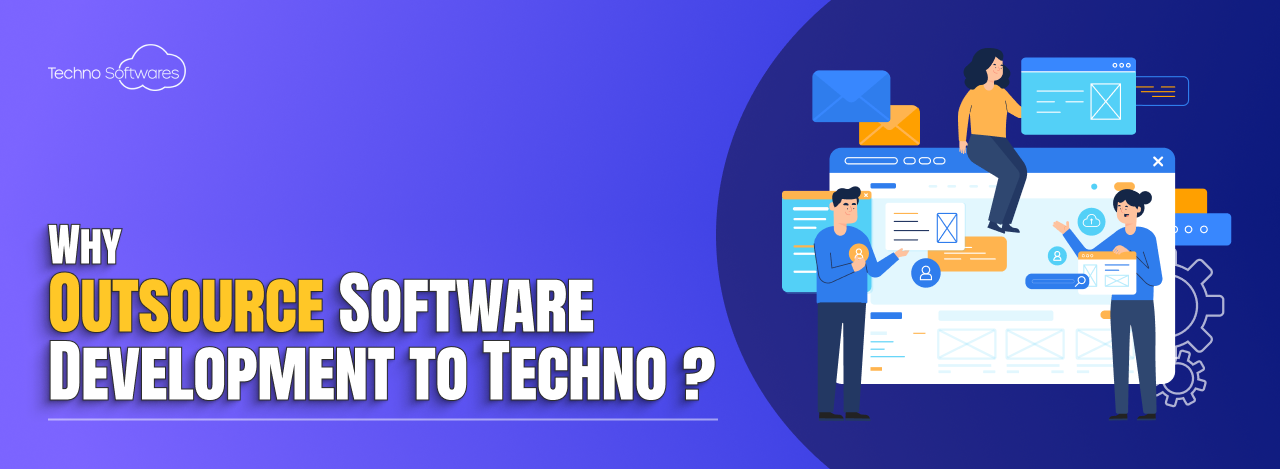
The Benefits of Outsourcing Software Development to Techno Softwares
In today’s competitive business landscape, cost savings have become a paramount concern for organizations of all sizes. By outsourcing certain functions or processes, we can significantly reduce operational expenses. This approach allows us to leverage the expertise of external providers who can perform tasks more efficiently and at a lower cost than we might achieve in-house.
For instance, by outsourcing our IT support or customer service, we can eliminate the need for extensive training and infrastructure investments, leading to substantial savings on salaries, benefits, and overhead costs. Moreover, the financial benefits of outsourcing extend beyond mere labor costs. We can also save on technology investments, as many service providers offer state-of-the-art tools and platforms as part of their service packages.
This means we can access advanced technologies without the hefty price tag associated with purchasing and maintaining them ourselves. By reallocating these resources, we can invest in other critical areas of our business, ultimately enhancing our overall financial health and competitiveness in the market.
Key Takeaways
- Outsourcing can lead to significant cost savings for businesses by reducing overhead and labor costs.
- Access to skilled professionals in various fields can be a major benefit of outsourcing, allowing businesses to tap into expertise that may not be available in-house.
- Outsourcing non-core business activities allows companies to focus on their core competencies and strategic goals, leading to increased efficiency and productivity.
- By leveraging the resources of outsourcing partners, businesses can bring products and services to market more quickly, gaining a competitive edge.
- Outsourcing provides scalability and flexibility, allowing businesses to easily adjust resources and capacity to meet changing demands and market conditions.
- Outsourcing can help mitigate risks by sharing them with the outsourcing partner, who may have more expertise in managing certain risks.
- Quality assurance is often a key focus of outsourcing partners, leading to improved quality and consistency in products and services.
- Outsourcing can drive innovation and technology advancements, as outsourcing partners often bring new ideas and expertise to the table.
Access to Skilled Professionals
One of the most compelling advantages of outsourcing is the immediate access it provides us to a pool of skilled professionals. In many cases, finding and retaining top talent in-house can be a daunting task, especially in specialized fields such as software development, digital marketing, or data analysis. By partnering with external firms, we can tap into their expertise and experience without the lengthy recruitment process.
This not only saves us time but also ensures that we are working with individuals who possess the necessary skills to drive our projects forward. Furthermore, outsourcing allows us to benefit from diverse perspectives and innovative ideas that come from working with professionals from different backgrounds and cultures. This diversity can lead to creative solutions and fresh approaches to problem-solving that we might not have considered otherwise.
By embracing this collaborative spirit, we can enhance our own capabilities and foster a culture of continuous improvement within our organization.
Focus on Core Business Activities

As we navigate the complexities of running a business, it is essential for us to concentrate on our core activities that drive growth and profitability. Outsourcing non-core functions enables us to streamline our operations and allocate our resources more effectively. By delegating tasks such as payroll processing, accounting, or customer support to specialized providers, we free up valuable time and energy that can be redirected toward strategic initiatives that align with our long-term goals.
This focus on core business activities not only enhances our productivity but also empowers our teams to excel in their respective roles. When we are not bogged down by administrative tasks or operational minutiae, we can foster a more innovative and agile work environment. This shift in focus allows us to respond more quickly to market changes and customer needs, ultimately positioning us for sustained success in an ever-evolving landscape.
Faster Time to Market
In an era where speed is often synonymous with success, outsourcing can significantly accelerate our time to market. By leveraging the capabilities of external partners, we can streamline our development processes and bring products or services to market more quickly than if we were to rely solely on internal resources. For example, when launching a new software application, collaborating with an experienced development team can help us navigate potential roadblocks and expedite the entire process.
Additionally, outsourcing allows us to scale our efforts based on demand fluctuations. If we experience a sudden surge in project requirements or customer inquiries, we can quickly engage additional resources from our outsourcing partners without the lengthy hiring process associated with expanding our internal team. This agility not only enhances our responsiveness but also positions us as a leader in our industry by consistently delivering timely solutions to our customers.
Scalability and Flexibility
The ability to scale operations up or down as needed is a critical factor for businesses aiming for growth while managing costs effectively. Outsourcing provides us with the flexibility to adjust our resources based on changing market conditions or project demands. Whether we need to ramp up production during peak seasons or scale back during slower periods, outsourcing partners can accommodate these fluctuations without the burden of maintaining a large permanent workforce.
This scalability also extends to the range of services we can access through outsourcing. As our business evolves, we may find ourselves needing new capabilities or expertise that were not part of our original plan. With a network of trusted outsourcing partners at our disposal, we can quickly pivot and incorporate these new services into our operations without significant disruption.
This adaptability is essential for staying competitive in a fast-paced business environment.
Risk Mitigation

Every business faces inherent risks, whether they stem from market volatility, regulatory changes, or operational challenges. Outsourcing can serve as an effective risk mitigation strategy by distributing certain responsibilities across specialized providers who are better equipped to handle specific challenges. For instance, by outsourcing compliance-related tasks to experts in regulatory affairs, we can ensure that we remain compliant with industry standards while minimizing the risk of costly penalties or legal issues.
Moreover, outsourcing allows us to diversify our operational risks by spreading them across multiple partners rather than relying solely on internal resources. This diversification can be particularly beneficial in times of uncertainty or crisis when having a robust support network becomes crucial. By collaborating with established outsourcing firms that have proven track records, we can enhance our resilience and adaptability in the face of unforeseen challenges.
Quality Assurance
Quality assurance is a critical component of any successful business strategy. When we outsource certain functions, we often gain access to established quality control processes and best practices that external providers have honed over time. These providers typically have dedicated teams focused on maintaining high standards and ensuring that deliverables meet or exceed expectations.
By leveraging their expertise, we can enhance the quality of our products or services without having to invest heavily in developing these capabilities in-house. Additionally, outsourcing allows us to implement rigorous performance metrics and service level agreements (SLAs) that hold our partners accountable for delivering quality results. This structured approach not only fosters transparency but also encourages continuous improvement within both our organization and that of our outsourcing partners.
As a result, we can build stronger relationships based on trust and mutual commitment to excellence.
Innovation and Technology Advancements
In an age where technological advancements are reshaping industries at an unprecedented pace, staying ahead of the curve is essential for long-term success. Outsourcing provides us with access to cutting-edge technologies and innovative solutions that may be beyond our reach if we were to rely solely on internal resources. Many outsourcing firms invest heavily in research and development, allowing us to benefit from their insights and advancements without incurring the associated costs.
Furthermore, collaborating with external partners fosters a culture of innovation within our organization. By engaging with professionals who are at the forefront of their fields, we can gain fresh perspectives on emerging trends and best practices. This exchange of ideas not only enhances our own capabilities but also positions us as thought leaders within our industry.
Ultimately, embracing innovation through outsourcing enables us to remain competitive and responsive to the evolving needs of our customers. In conclusion, the advantages of outsourcing are manifold and can significantly impact our organization’s efficiency, competitiveness, and overall success. From cost savings and access to skilled professionals to enhanced focus on core activities and faster time to market, outsourcing presents a strategic opportunity for growth and innovation.
By embracing this approach thoughtfully and collaboratively, we can navigate the complexities of today’s business environment while positioning ourselves for sustained success in the future.
When considering the benefits of outsourcing software development, it’s also crucial to choose the right partners and understand the landscape of potential service providers. A related article that can provide further insights is “Top 10 Custom Software Development Companies in Malaysia.” This article offers a detailed overview of leading software development firms in Malaysia, which could be potential outsourcing partners. Understanding their capabilities, strengths, and market positions can help in making an informed decision when outsourcing software development tasks. You can read more about it here.
FAQs
What is software development outsourcing?
Software development outsourcing is the practice of hiring a third-party company or individual to handle the design, development, and maintenance of software applications. This can include web development, mobile app development, custom software solutions, and more.
What are the benefits of outsourcing software development?
Outsourcing software development can provide several benefits, including cost savings, access to a larger talent pool, faster time to market, flexibility, and the ability to focus on core business activities. It can also provide access to specialized skills and expertise that may not be available in-house.
How can outsourcing software development save costs?
Outsourcing software development can save costs by reducing the need for in-house resources, such as hiring and training employees, providing office space and equipment, and managing payroll and benefits. Additionally, outsourcing to countries with lower labor costs can result in significant savings.
What are the potential risks of outsourcing software development?
Potential risks of outsourcing software development include communication challenges, quality control issues, security concerns, and the risk of intellectual property theft. It’s important to carefully vet potential outsourcing partners and establish clear communication and security protocols.
How can businesses choose the right outsourcing partner for software development?
When choosing an outsourcing partner for software development, businesses should consider factors such as the partner’s experience and expertise, their portfolio of past projects, client testimonials, communication and project management processes, and their approach to security and quality assurance. It’s also important to consider cultural fit and time zone differences.


