

The Role of AI in Enterprise Resource Planning
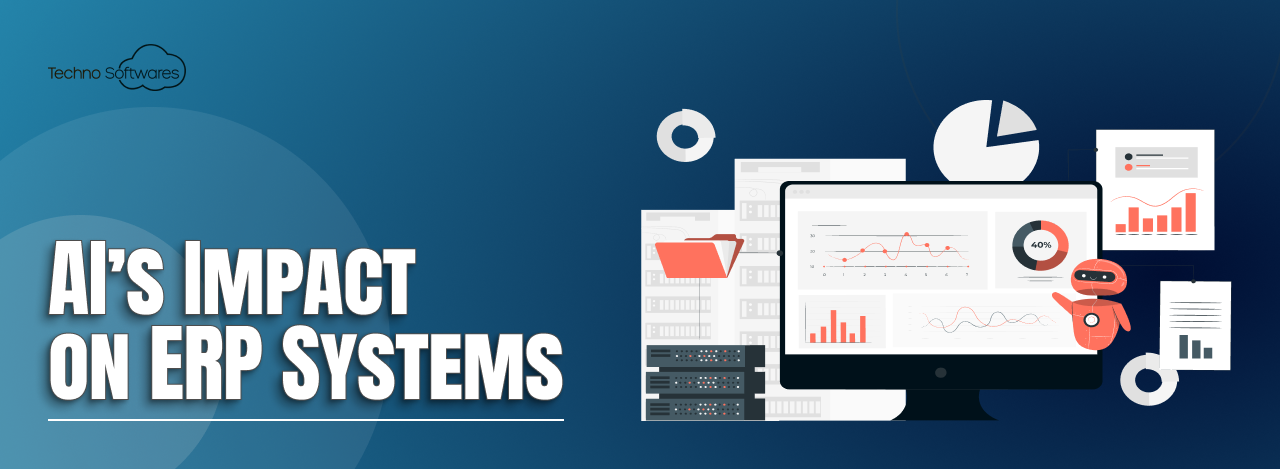
As we navigate the complexities of modern business, the integration of Artificial Intelligence (AI) into Enterprise Resource Planning (ERP) systems has emerged as a transformative force. The traditional ERP systems, which have long been the backbone of organizational operations, are evolving to incorporate AI technologies that enhance their capabilities. This evolution is not merely a trend; it represents a fundamental shift in how businesses manage resources, streamline processes, and make data-driven decisions.
By harnessing the power of AI, we can unlock new levels of efficiency and insight that were previously unattainable. In this context, AI serves as a catalyst for innovation within ERP systems. It enables organizations to automate routine tasks, analyze vast amounts of data in real-time, and predict future trends with remarkable accuracy.
As we delve deeper into the implications of AI in ERP, we will explore the myriad benefits it offers, the challenges that accompany its implementation, and the ways in which companies like Techno Softwares are leading the charge in this exciting frontier. Our journey will also include real-world case studies that illustrate successful AI integration and a glimpse into the future of AI in ERP.
Key Takeaways
- AI in Enterprise Resource Planning (ERP) is revolutionizing the way businesses manage their operations and make decisions.
- The benefits of AI in ERP include improved efficiency, better decision-making, cost savings, and enhanced customer experience.
- Challenges of implementing AI in ERP include data security, integration with existing systems, and the need for skilled personnel.
- Techno Softwares utilizes AI in ERP for predictive analytics, intelligent automation, and personalized recommendations.
- Case studies show successful AI implementation in ERP, resulting in streamlined processes, improved forecasting, and better resource allocation.
- The future of AI in ERP is promising, with advancements in machine learning, natural language processing, and robotic process automation.
- Tips for choosing the right AI-enabled ERP software include evaluating scalability, integration capabilities, and vendor support.
- In conclusion, AI is making a significant impact on ERP, driving innovation and efficiency across industries.
The Benefits of AI in Enterprise Resource Planning
Automation of Repetitive Tasks
One of the most significant benefits of integrating AI into ERP systems is the automation of repetitive tasks. By automating tasks such as data entry, inventory management, and order processing, organizations can free up valuable human resources to focus on more strategic initiatives. This not only reduces the likelihood of human error but also accelerates processes that are critical to maintaining a competitive edge in today’s fast-paced market.
Enhanced Decision-Making Capabilities
AI also enhances decision-making capabilities through advanced data analytics. By analyzing historical data and identifying patterns, AI algorithms provide insights that inform business strategies. Predictive analytics, for instance, allows organizations to forecast demand more accurately, optimize inventory levels, and improve customer satisfaction by ensuring that products are available when needed.
Data-Driven Approach
The incorporation of AI into ERP systems enables a data-driven approach, empowering organizations to make informed decisions that align with their organizational goals. By leveraging AI, organizations can gain a competitive edge and drive business success.
The Challenges of Implementing AI in Enterprise Resource Planning
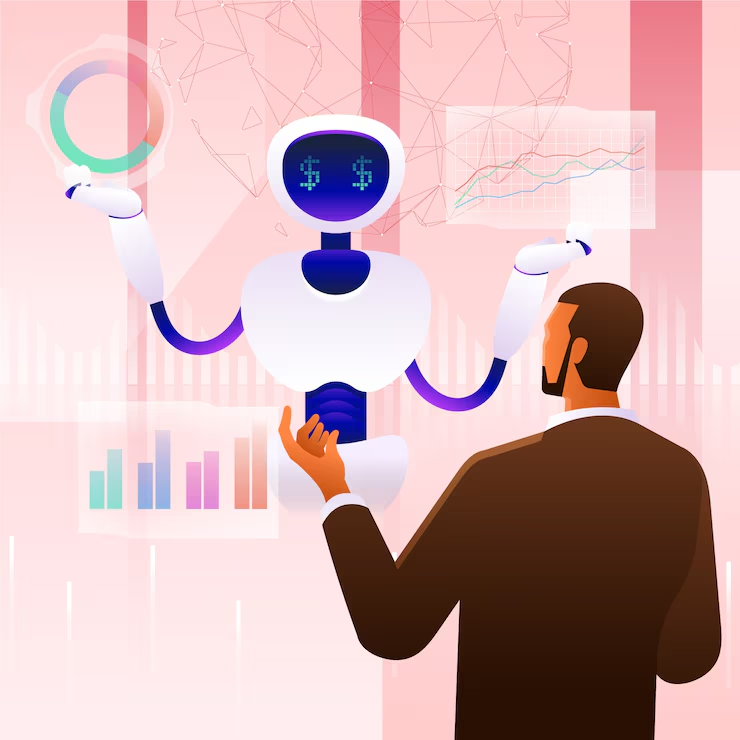
Despite the numerous benefits that AI brings to ERP systems, we must also acknowledge the challenges associated with its implementation. One significant hurdle is the integration of AI technologies with existing ERP systems. Many organizations have legacy systems that may not be compatible with modern AI solutions.
This can lead to increased costs and extended timelines as we work to bridge the gap between old and new technologies. Additionally, there is often a skills gap within organizations when it comes to leveraging AI effectively. While we may recognize the potential of AI, not all team members possess the necessary expertise to implement and manage these technologies.
This can result in underutilization of AI capabilities or even resistance to change among staff who may be apprehensive about adopting new tools. To overcome these challenges, we must invest in training and development programs that equip our workforce with the skills needed to thrive in an AI-enhanced environment.
How Techno Softwares Utilize AI in Enterprise Resource Planning
Techno Softwares stands at the forefront of integrating AI into ERP solutions, offering innovative tools that empower businesses to optimize their operations. By leveraging machine learning algorithms and natural language processing, Techno Softwares enhances data analysis capabilities within ERP systems. This allows us to extract actionable insights from complex datasets, enabling more informed decision-making across various departments.
One of the standout features of Techno Softwares’ approach is its focus on user experience. By incorporating AI-driven chatbots and virtual assistants into their ERP solutions, they facilitate seamless communication between users and the system. This not only streamlines processes but also enhances user engagement by providing instant support and guidance.
As we embrace these advancements, we find ourselves better equipped to navigate the intricacies of enterprise resource management.
Case Studies of Successful AI Implementation in Enterprise Resource Planning
To truly appreciate the impact of AI on ERP systems, we can look at several case studies that highlight successful implementations. For instance, a leading manufacturing company adopted an AI-enabled ERP system that utilized predictive analytics to optimize its supply chain management. By analyzing historical sales data and market trends, the system was able to forecast demand accurately, resulting in a 20% reduction in excess inventory and significant cost savings.
Another compelling example comes from a retail organization that integrated AI into its ERP system to enhance customer relationship management (CRM). By employing machine learning algorithms to analyze customer behavior and preferences, the company was able to tailor its marketing strategies effectively. This personalized approach led to a 30% increase in customer retention rates and a notable boost in overall sales.
These case studies illustrate not only the potential of AI in transforming ERP systems but also the tangible benefits that organizations can reap from such innovations.
The Future of AI in Enterprise Resource Planning
Enhanced Decision-Making through Advanced Analytics
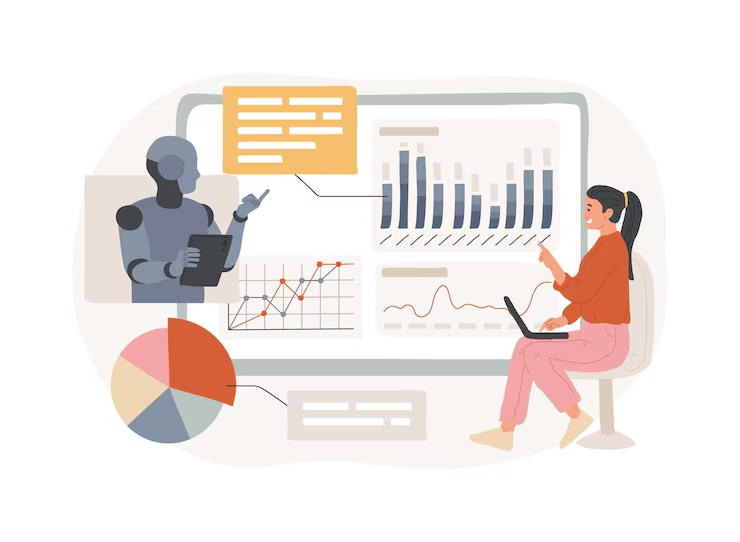
As we look ahead, the future of AI in ERP systems appears promising and full of potential. We anticipate continued advancements in machine learning and data analytics that will further enhance our ability to make informed decisions.
Real-Time Insights through IoT Integration
The integration of AI with emerging technologies such as the Internet of Things (IoT) will enable us to gather real-time data from connected devices, providing even deeper insights into operational performance.
Personalized ERP Solutions for Optimized Processes
Moreover, as AI technologies become more sophisticated, we can expect greater personalization within ERP systems. Tailored solutions that adapt to our specific business needs will become increasingly common, allowing us to optimize processes in ways that were previously unimaginable.
Embracing Change and Leveraging AI Potential
As we embrace these changes, it is essential for us to remain agile and open-minded, ready to adapt our strategies to leverage the full potential of AI in our enterprise resource planning efforts.
Tips for Choosing the Right AI-Enabled Enterprise Resource Planning Software
Selecting the right AI-enabled ERP software is crucial for maximizing the benefits of these technologies. First and foremost, we should assess our specific business needs and objectives. Understanding what we aim to achieve with an AI-integrated ERP system will guide us in choosing a solution that aligns with our goals.
Additionally, evaluating the scalability of the software is essential. As our business grows and evolves, our ERP system should be able to accommodate increased demands without compromising performance. We should also consider user-friendliness; an intuitive interface will facilitate smoother adoption among team members and reduce resistance to change.
Finally, it is vital to investigate the vendor’s track record regarding support and updates. A reliable vendor will provide ongoing assistance and regularly update their software to incorporate new features and improvements. By taking these factors into account, we can make informed decisions that set our organizations up for success in an increasingly competitive landscape.
The Impact of AI on Enterprise Resource Planning
In conclusion, the integration of AI into Enterprise Resource Planning systems marks a significant milestone in our journey toward operational excellence. The benefits are clear: enhanced efficiency through automation, improved decision-making via advanced analytics, and a more personalized approach to resource management. However, we must also navigate the challenges associated with implementation and ensure that our teams are equipped with the necessary skills to leverage these technologies effectively.
As we look toward the future, it is evident that AI will continue to shape the landscape of ERP systems, driving innovation and enabling organizations to thrive in an ever-changing business environment. By embracing these advancements and making informed choices about our ERP solutions, we position ourselves for success in a world where data-driven decision-making is paramount. The impact of AI on enterprise resource planning is profound, and as we move forward together, we can harness its potential to transform our operations for the better.
If you are interested in learning more about software quality assurance testing, check out the article What is Software Quality Assurance Testing? This article delves into the importance of ensuring the quality of software products before they are released to the market. Additionally, if you want to explore how custom software development can unlock your business potential, take a look at Unlocking Business Potential with Custom Software Development. And for insights into cross-platform mobile app development, read Cross-Platform Mobile App Development. These articles provide valuable information on various aspects of software development that can complement the discussion on the role of AI in enterprise resource planning.
FAQs
What is Enterprise Resource Planning (ERP)?
Enterprise Resource Planning (ERP) is a software system that integrates and manages a company’s core business processes, often in real-time, such as production, inventory management, human resources, finance, and sales.
What is the role of AI in Enterprise Resource Planning?
AI in ERP systems can automate repetitive tasks, provide predictive analytics, improve decision-making, enhance data accuracy, and enable better resource allocation.
How can Techno Softwares help with AI in Enterprise Resource Planning?
Techno Softwares offers AI-powered ERP solutions that can streamline business processes, improve efficiency, and provide valuable insights for better decision-making.
What are the benefits of using AI in Enterprise Resource Planning?
The benefits of using AI in ERP include improved productivity, cost savings, better resource utilization, enhanced data accuracy, and the ability to make more informed business decisions.
What are some examples of AI applications in Enterprise Resource Planning?
AI applications in ERP include demand forecasting, predictive maintenance, intelligent inventory management, automated data entry, and personalized customer insights.


