

The Role of ERP in Supply Chain Optimization
In today’s fast-paced business environment, the role of Enterprise Resource Planning (ERP) systems in supply chain optimization cannot be overstated. As we navigate through the complexities of modern supply chains, we find that ERP serves as a central hub that integrates various functions, from procurement to production and distribution. By consolidating data and processes into a single platform, ERP systems enable us to streamline operations, reduce redundancies, and enhance overall efficiency.
This integration is crucial for organizations aiming to respond swiftly to market demands and maintain a competitive edge. Moreover, ERP systems provide real-time visibility into supply chain activities, allowing us to monitor performance metrics and identify bottlenecks. This visibility is essential for making informed decisions that can lead to improved operational efficiency.
By understanding the flow of materials, information, and finances across the supply chain, we can optimize processes and allocate resources more effectively. In essence, ERP acts as the backbone of supply chain management, facilitating better coordination among various departments and ensuring that everyone is aligned toward common goals.
Key Takeaways
- ERP plays a crucial role in optimizing supply chain management by integrating and streamlining various processes and data.
- Integrating ERP in supply chain management brings benefits such as improved visibility, efficiency, and cost reduction.
- Techno Softwares can help businesses integrate ERP for their supply chain by providing customized solutions and support.
- ERP helps in streamlining inventory management by providing real-time data, reducing stockouts, and optimizing inventory levels.
- ERP enhances demand forecasting and planning by providing accurate data, improving collaboration, and enabling better decision making.
Benefits of Integrating ERP in Supply Chain Management
Integrating ERP into supply chain management offers a multitude of benefits that can significantly enhance our operational capabilities. One of the most notable advantages is the improved accuracy of data. With a centralized database, we can eliminate discrepancies that often arise from using disparate systems.
This accuracy not only aids in better decision-making but also fosters trust among stakeholders who rely on this data for their operations. As we work with accurate information, we can make timely adjustments to our supply chain strategies, ultimately leading to increased efficiency. Another key benefit is the enhancement of customer service.
By integrating ERP with supply chain management, we can ensure that we have the right products available at the right time. This capability allows us to respond more effectively to customer demands and preferences, thereby improving satisfaction levels. Additionally, with better inventory management and demand forecasting capabilities provided by ERP systems, we can minimize stockouts and overstock situations, which are detrimental to customer experience.
Ultimately, the integration of ERP not only streamlines our internal processes but also positions us to serve our customers better.
How Techno Softwares Can Help Integrate ERP for Your Supply Chain

When it comes to integrating ERP systems into our supply chain management processes, Techno Softwares stands out as a valuable partner. Their expertise in developing tailored ERP solutions allows us to address our unique business needs effectively. By collaborating with Techno Softwares, we can ensure that our ERP system is not only robust but also flexible enough to adapt to changing market conditions.
Their team of professionals works closely with us to understand our specific requirements and design an integration strategy that aligns with our operational goals. Furthermore, Techno Softwares provides ongoing support and training, which is crucial for maximizing the benefits of our ERP investment. As we implement new systems and processes, having access to expert guidance helps us navigate potential challenges and ensures a smooth transition.
Their commitment to customer success means that we are not just purchasing software; we are entering into a partnership that prioritizes our growth and efficiency in supply chain management. With Techno Softwares by our side, we can confidently move forward in optimizing our supply chain through effective ERP integration.
Streamlining Inventory Management with ERP
One of the most significant advantages of implementing an ERP system is its ability to streamline inventory management. As we manage our supply chain, maintaining optimal inventory levels is crucial for minimizing costs while meeting customer demands. With an integrated ERP system, we gain real-time visibility into our inventory status across various locations.
This visibility allows us to track stock levels accurately and make informed decisions about replenishment and order fulfillment. Additionally, ERP systems facilitate automated inventory tracking and reporting, which reduces the likelihood of human error. By automating these processes, we can free up valuable time for our team members to focus on more strategic tasks rather than manual data entry and reconciliation.
The result is a more efficient inventory management process that not only saves time but also enhances accuracy. As we leverage these capabilities, we can ensure that our inventory aligns with demand patterns, ultimately leading to cost savings and improved service levels.
Enhancing Demand Forecasting and Planning with ERP
Effective demand forecasting is essential for optimizing our supply chain operations, and ERP systems play a pivotal role in this process. By analyzing historical sales data and market trends, we can generate accurate forecasts that inform our production and procurement strategies. The advanced analytics capabilities embedded within modern ERP systems allow us to identify patterns and anticipate fluctuations in demand more effectively than ever before.
Moreover, with an integrated ERP system, we can collaborate across departments to refine our forecasting efforts. Sales teams can provide insights into customer preferences, while marketing can share information about upcoming promotions or campaigns. This collaborative approach ensures that our demand planning is comprehensive and considers various factors that influence customer behavior.
As a result, we can align our inventory levels with anticipated demand, reducing the risk of stockouts or excess inventory that ties up capital.
Improving Communication and Collaboration in the Supply Chain with ERP
Breaking Down Silos and Facilitating Seamless Information Sharing
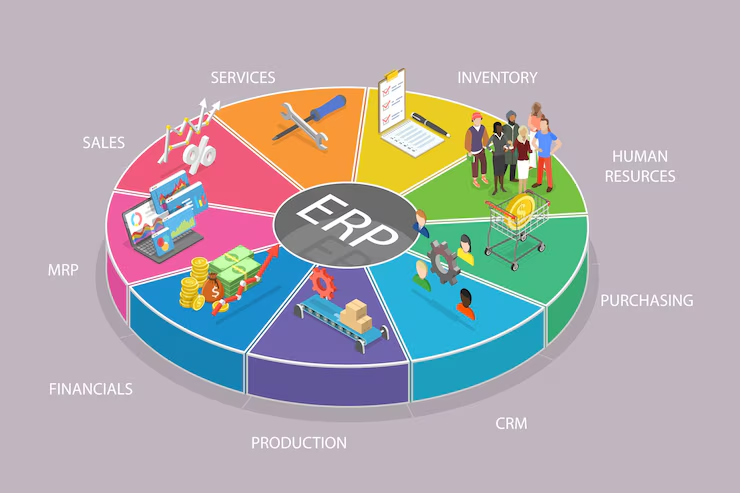
With an integrated ERP system, we can break down silos between departments and facilitate seamless information sharing across the organization. This enhanced communication ensures that everyone involved in the supply chain is on the same page regarding inventory levels, order statuses, and production schedules.
Real-Time Updates and Informed Decision-Making
ERP systems often include features such as dashboards and reporting tools that provide real-time updates on key performance indicators (KPIs). By having access to this information at their fingertips, team members can make informed decisions quickly and respond proactively to any issues that may arise.
Fostering a Culture of Collaboration
This level of transparency fosters a culture of collaboration where departments work together toward common objectives rather than operating in isolation.
Leveraging Data Analytics for Better Decision Making in Supply Chain Management
In an era where data drives business decisions, leveraging data analytics through an ERP system is crucial for optimizing our supply chain management practices. With access to comprehensive data sets from various sources within the organization, we can analyze trends and performance metrics that inform our strategic decisions. This analytical capability allows us to identify areas for improvement and implement changes that enhance efficiency.
Furthermore, predictive analytics tools within ERP systems enable us to forecast future trends based on historical data. By understanding potential market shifts or changes in customer behavior, we can proactively adjust our supply chain strategies to mitigate risks and seize opportunities. This data-driven approach empowers us to make informed decisions that align with our business objectives while enhancing overall supply chain performance.
Overcoming Challenges and Pitfalls in Integrating ERP for Supply Chain Optimization
While integrating an ERP system into our supply chain management processes offers numerous benefits, it is not without its challenges. One common pitfall is underestimating the complexity of the integration process itself. As we embark on this journey, it is essential to allocate sufficient time and resources for planning and execution.
Engaging stakeholders from various departments early in the process helps ensure that everyone’s needs are considered and that potential roadblocks are identified ahead of time. Another challenge lies in change management. Transitioning to an ERP system often requires significant changes in workflows and processes, which can be met with resistance from employees accustomed to existing practices.
To overcome this hurdle, it is crucial to provide comprehensive training and support throughout the implementation phase. By fostering a culture of adaptability and emphasizing the long-term benefits of the new system, we can encourage buy-in from team members and facilitate a smoother transition. In conclusion, as we explore the multifaceted role of ERP in supply chain optimization, it becomes clear that its integration offers substantial advantages across various dimensions of our operations.
From enhancing inventory management to improving communication and leveraging data analytics for informed decision-making, the benefits are far-reaching. By partnering with experts like Techno Softwares and addressing potential challenges proactively, we position ourselves for success in an increasingly competitive landscape. Embracing ERP as a strategic tool will undoubtedly empower us to optimize our supply chains effectively while delivering exceptional value to our customers.
If you are interested in learning more about security best practices for protecting your web and mobile applications, check out this article. It provides valuable insights on how to ensure the safety and security of your digital platforms. In today’s interconnected world, cybersecurity is a top priority for businesses looking to protect their data and reputation. By implementing these best practices, you can safeguard your applications from potential threats and vulnerabilities.
FAQs
What is ERP?
ERP stands for Enterprise Resource Planning, which is a software system that integrates and manages all aspects of a business, including planning, purchasing, inventory, sales, marketing, finance, and human resources.
What is supply chain optimization?
Supply chain optimization is the process of improving the efficiency and effectiveness of a company’s supply chain by maximizing the use of resources, minimizing costs, and meeting customer demands.
How does ERP help in supply chain optimization?
ERP helps in supply chain optimization by providing real-time visibility into inventory levels, streamlining procurement processes, improving demand forecasting, and enhancing communication and collaboration with suppliers and customers.
What are the benefits of integrating ERP for supply chain optimization?
Integrating ERP for supply chain optimization can lead to reduced inventory holding costs, improved order fulfillment rates, better demand planning, enhanced customer satisfaction, and increased overall operational efficiency.
How can Techno Softwares help integrate ERP for supply chain optimization?
Techno Softwares is a leading provider of ERP solutions that can be customized to meet the specific needs of a company’s supply chain. Their expertise in ERP implementation and integration can help businesses streamline their supply chain processes and achieve optimal efficiency.


