

The Role of Gamification in Educational Mobile Apps
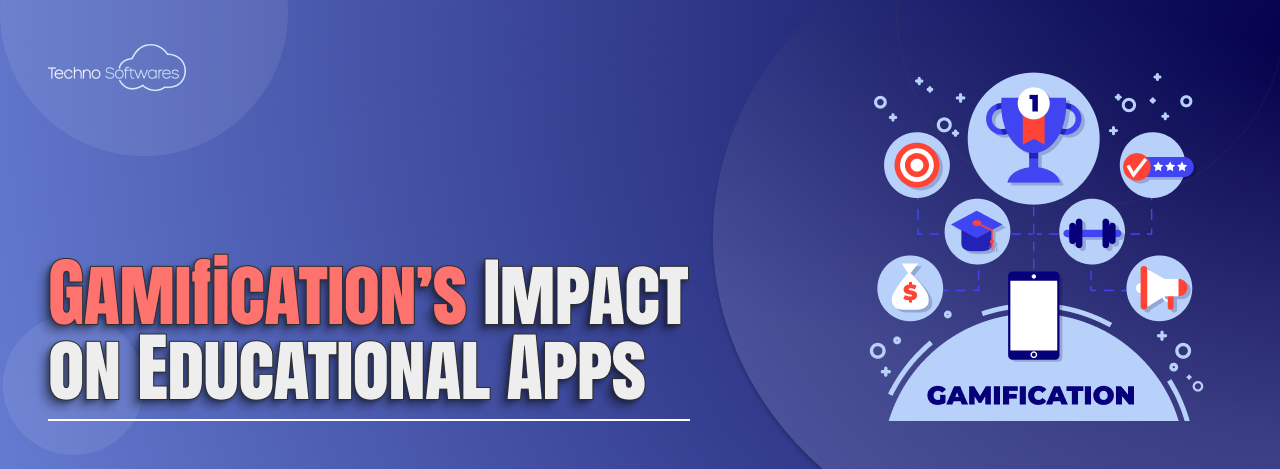
In recent years, the integration of gamification into educational mobile applications has emerged as a transformative approach to learning. As we navigate through an increasingly digital world, the need for engaging and interactive educational tools has never been more pressing. Gamification, which involves applying game design elements in non-game contexts, has proven to be an effective strategy for enhancing user engagement and motivation.
By incorporating elements such as points, badges, leaderboards, and challenges, educational apps can create a more immersive learning experience that resonates with users of all ages. As we delve deeper into the realm of gamified educational apps, we begin to understand how these tools can revolutionize traditional learning methods. The allure of competition and achievement can motivate learners to explore new subjects and master complex concepts.
This shift from passive consumption of information to active participation in the learning process is not just a trend; it represents a fundamental change in how we approach education. By harnessing the power of gamification, we can create a more dynamic and enjoyable learning environment that encourages continuous growth and development.
Key Takeaways
- Gamification in educational mobile apps enhances student engagement and motivation.
- Benefits of gamification in education include improved learning outcomes, increased student participation, and a more enjoyable learning experience.
- Techno Softwares can implement gamification by incorporating game elements such as points, badges, leaderboards, and challenges into educational apps.
- Examples of successful educational mobile apps with gamification include Duolingo, Kahoot, and Classcraft.
- Challenges and limitations of gamification in educational mobile apps include the need for careful design to avoid superficial engagement and potential for distraction.
Benefits of Gamification in Education
Enhanced Student Engagement
One of the most significant advantages of gamification is the enhancement of student engagement. When learners are presented with challenges and rewards, they are more likely to immerse themselves in the material. This heightened engagement can lead to improved retention of information and a deeper understanding of the subject matter.
Transforming Mundane Tasks into Exciting Challenges
Gamification can transform mundane tasks into exciting challenges that learners are eager to tackle. Moreover, gamification fosters a sense of community among learners, as many educational apps incorporate social features that allow users to collaborate, compete, and share their achievements with peers.
Fostering a Supportive Learning Environment
This social interaction not only enhances motivation but also cultivates a supportive learning environment where individuals can learn from one another. As we engage with these platforms, we find ourselves part of a larger community, working together towards common goals while celebrating each other’s successes.
How Techno Softwares Can Implement Gamification
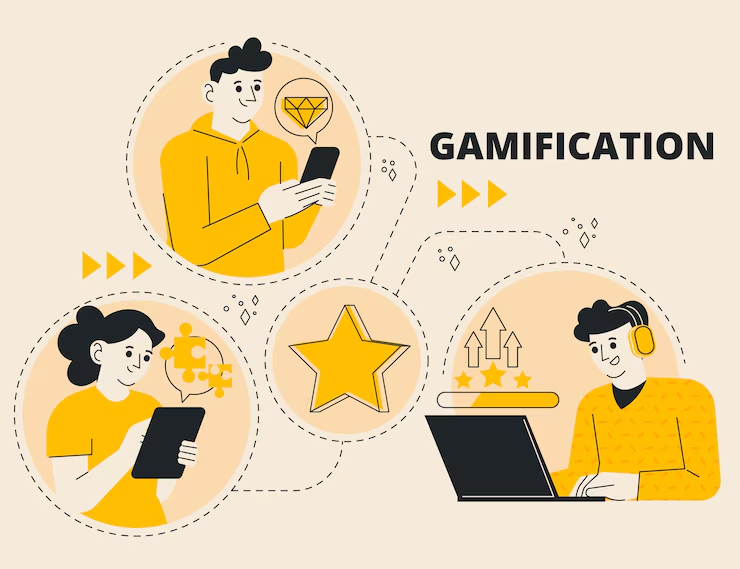
Techno Softwares has the potential to play a pivotal role in the implementation of gamification within educational mobile apps. By leveraging their expertise in software development and user experience design, they can create applications that seamlessly integrate game mechanics into educational content. This could involve designing intuitive interfaces that allow users to navigate through lessons while earning rewards for completing tasks or achieving milestones.
The key lies in striking a balance between educational rigor and engaging gameplay. Furthermore, Techno Softwares can utilize data analytics to personalize the learning experience for each user. By tracking individual progress and preferences, they can tailor challenges and rewards to suit different learning styles.
This level of customization not only enhances user satisfaction but also ensures that learners remain motivated throughout their educational journey. As we envision the future of educational apps, it becomes evident that Techno Softwares has the tools and knowledge necessary to create impactful gamified experiences that resonate with users.
Examples of Successful Educational Mobile Apps with Gamification
Several educational mobile apps have successfully harnessed the power of gamification to enhance learning outcomes. One notable example is Duolingo, a language-learning app that employs game-like elements such as levels, streaks, and rewards to motivate users. By turning language acquisition into a fun and interactive experience, Duolingo has attracted millions of users worldwide who are eager to learn new languages at their own pace.
Another exemplary app is Kahoot!, which transforms traditional classroom assessments into engaging quizzes that students can participate in using their mobile devices. The competitive nature of Kahoot! encourages students to actively engage with the material while fostering a sense of camaraderie among peers.
As we explore these successful examples, it becomes clear that gamification can significantly enhance the educational experience by making learning enjoyable and accessible.
Challenges and Limitations of Gamification in Educational Mobile Apps
Despite the numerous benefits associated with gamification in education, there are also challenges and limitations that must be addressed. One significant concern is the potential for overemphasis on extrinsic rewards, such as points and badges, which may undermine intrinsic motivation. When learners become too focused on earning rewards rather than genuinely engaging with the material, the educational value of the experience may diminish.
As we reflect on this issue, it is essential to strike a balance between motivation through rewards and fostering a genuine love for learning. Additionally, not all learners respond positively to gamified elements. Some individuals may find competitive aspects stressful or may not be motivated by game mechanics at all.
This diversity in learner preferences highlights the importance of offering varied approaches within educational apps to cater to different needs. As we consider these challenges, it becomes evident that while gamification holds great promise, it must be implemented thoughtfully to ensure that it enhances rather than detracts from the learning experience.
The Role of Feedback and Assessment in Gamified Educational Apps

Feedback and assessment play crucial roles in the effectiveness of gamified educational apps. Timely and constructive feedback allows learners to understand their progress and identify areas for improvement. In a gamified context, feedback can be delivered through various means, such as instant notifications after completing tasks or visual representations of progress on leaderboards.
This immediate feedback loop not only reinforces learning but also keeps users engaged by providing them with a sense of accomplishment. Moreover, assessment in gamified apps should be designed to be both formative and summative. Formative assessments can take the form of quizzes or challenges that provide ongoing feedback during the learning process, while summative assessments can evaluate overall mastery at the end of a module or course.
By incorporating diverse assessment methods within gamified experiences, we can ensure that learners receive comprehensive evaluations that support their growth and development.
The Future of Gamification in Education
As we look ahead, the future of gamification in education appears promising yet complex. With advancements in technology such as artificial intelligence and virtual reality, we can anticipate even more immersive and personalized learning experiences. These innovations have the potential to further enhance gamified educational apps by creating environments where learners can explore concepts in interactive ways that were previously unimaginable.
Additionally, as educators continue to embrace technology in their teaching practices, we may see a shift towards more collaborative and project-based learning experiences within gamified frameworks. This evolution could lead to the development of apps that not only focus on individual achievement but also emphasize teamwork and collective problem-solving skills. As we envision this future landscape, it becomes clear that gamification will continue to evolve alongside educational practices, shaping how we learn and interact with knowledge.
The Impact of Techno Softwares on Gamified Educational Mobile Apps
In conclusion, the impact of Techno Softwares on gamified educational mobile apps cannot be overstated. By harnessing their expertise in software development and user experience design, they have the potential to create innovative applications that engage learners in meaningful ways. As we have explored throughout this article, gamification offers numerous benefits for education, including increased engagement, enhanced motivation, and improved retention of information.
However, it is essential for Techno Softwares to navigate the challenges associated with gamification thoughtfully. By prioritizing intrinsic motivation and offering diverse approaches to learning, they can ensure that their applications provide valuable educational experiences for all users. As we move forward into an era where technology continues to shape education, we are excited about the possibilities that lie ahead for gamified educational mobile apps and the role Techno Softwares will play in this transformative journey.
In a related article on Techno Softwares’ blog, they discuss the importance of setting up an SEO-friendly WordPress website. This article provides valuable insights into optimizing your website for search engines, which can ultimately help drive more traffic and improve visibility online. By implementing SEO best practices, educational mobile apps can increase their reach and engagement with users. To learn more about setting up an SEO-friendly website, check out the article here.
FAQs
What is gamification in educational mobile apps?
Gamification in educational mobile apps refers to the use of game design elements and principles in non-game contexts, such as learning and education. This can include features such as points, badges, leaderboards, and challenges to engage and motivate users to learn and achieve educational goals.
How can gamification benefit educational mobile apps?
Gamification can benefit educational mobile apps by increasing student engagement, motivation, and retention. It can make learning more enjoyable and interactive, leading to improved learning outcomes and a deeper understanding of the subject matter.
What role does Techno Softwares play in incorporating gamification into educational mobile apps?
Techno Softwares specializes in developing educational mobile apps that incorporate gamification elements to enhance the learning experience. They can help create custom gamification strategies tailored to specific educational goals and target audiences.
What are some examples of gamification elements in educational mobile apps?
Examples of gamification elements in educational mobile apps include earning points for completing tasks, unlocking badges for reaching milestones, competing on leaderboards, and participating in challenges or quizzes to test knowledge and skills.
How can educational mobile apps with gamification improve student learning outcomes?
Educational mobile apps with gamification can improve student learning outcomes by increasing engagement, motivation, and retention. By making learning more interactive and enjoyable, students are more likely to stay focused, participate actively, and retain the knowledge and skills they acquire.


