
Top Features of Modern ERP Systems You Can Get with Techno Softwares
In today’s fast-paced digital landscape, the importance of a user-friendly interface cannot be overstated. We often find ourselves navigating through various software applications, and the ones that stand out are those that prioritize ease of use. A well-designed interface allows users to accomplish tasks efficiently without unnecessary complications.
When we engage with a platform that features intuitive navigation, clear labeling, and visually appealing layouts, we feel empowered to explore its functionalities without the frustration that often accompanies complex systems. Moreover, a user-friendly interface enhances our overall experience and productivity. We appreciate when software developers invest time in understanding user behavior and preferences, leading to designs that cater to our needs.
Features such as drag-and-drop functionality, customizable dashboards, and responsive design contribute to a seamless interaction. As we become more accustomed to these user-centric designs, we find ourselves gravitating towards tools that not only meet our functional requirements but also provide an enjoyable user experience.
Key Takeaways
- The user-friendly interface of the system makes it easy for users to navigate and utilize its features efficiently.
- Cloud-based accessibility allows users to access the system from anywhere with an internet connection, increasing flexibility and convenience.
- Integration with other systems enables seamless data sharing and communication between different platforms, streamlining processes.
- Real-time data analytics provide users with up-to-date insights and information for informed decision-making.
- Mobile compatibility ensures that users can access the system and its features on the go, enhancing productivity and accessibility.
Cloud-based Accessibility
Flexibility and Mobility
This flexibility is particularly beneficial in today’s mobile world, where remote work and on-the-go access have become the norm. We no longer need to be tied to a specific location or device; instead, we can collaborate with colleagues, share files, and access critical information from our laptops, tablets, or smartphones.
Automatic Updates and Backups
Cloud-based systems often come with automatic updates and backups, which alleviate the burden of manual maintenance. We can rest assured knowing that our data is secure and up-to-date without having to worry about losing important files due to hardware failures or outdated software versions.
Enhanced Productivity and Collaboration
This level of accessibility not only enhances our productivity but also fosters collaboration among team members who may be working from different locations. The ability to work together in real-time, regardless of geographical barriers, is a game-changer in how we approach projects and tasks.
Integration with Other Systems

In an era where businesses rely on multiple software solutions to streamline operations, the ability to integrate with other systems is crucial. We often encounter situations where data needs to flow seamlessly between different applications, whether it’s a customer relationship management (CRM) tool syncing with an email marketing platform or an accounting system connecting with inventory management software. When these systems can communicate effectively, we save time and reduce the risk of errors that can occur when transferring data manually.
Furthermore, integration enhances our ability to make informed decisions based on comprehensive data analysis. By consolidating information from various sources into a single platform, we gain a holistic view of our operations. This interconnectedness allows us to identify trends, track performance metrics, and respond swiftly to changes in the market.
As we leverage integrated systems, we find ourselves better equipped to adapt to evolving business needs and capitalize on new opportunities.
Real-time Data Analytics
The power of real-time data analytics cannot be underestimated in today’s data-driven environment. We are constantly bombarded with information, and having the ability to analyze this data as it comes in allows us to make timely decisions that can significantly impact our success. With real-time analytics, we can monitor key performance indicators (KPIs), track customer behavior, and assess operational efficiency without delay.
This immediacy empowers us to respond proactively rather than reactively. Moreover, real-time data analytics fosters a culture of continuous improvement within our organizations. By regularly reviewing performance metrics and trends, we can identify areas for enhancement and implement changes swiftly.
This iterative process not only boosts our efficiency but also enhances our ability to meet customer expectations. As we harness the insights gained from real-time analytics, we position ourselves to stay ahead of the competition and drive innovation within our industries.
Mobile Compatibility
As mobile technology continues to advance, the demand for mobile compatibility in software applications has surged. We live in a world where smartphones and tablets are integral to our daily lives, and having access to essential tools on these devices is no longer a luxury but a necessity. Mobile compatibility allows us to perform tasks, communicate with team members, and access critical information while on the move.
Whether we are commuting, traveling for business, or simply away from our desks, the ability to stay connected enhances our productivity. Additionally, mobile-friendly applications often come with features designed specifically for touch interfaces, making them easy to navigate on smaller screens. We appreciate when developers prioritize mobile usability by ensuring that all functionalities are accessible without compromising performance or user experience.
As we embrace mobile compatibility in our workflows, we find ourselves more agile and responsive to the demands of our roles.
Customization Options
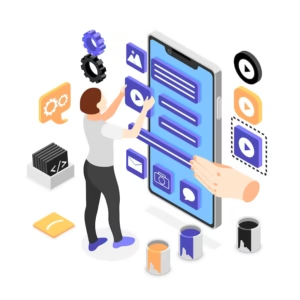
Customization options are essential for tailoring software solutions to meet our unique needs and preferences. We understand that no two organizations are alike; therefore, having the ability to modify features, layouts, and functionalities allows us to create an environment that aligns with our specific workflows. Whether it’s adjusting dashboards to highlight key metrics or configuring alerts for important updates, customization empowers us to optimize our use of technology.
Moreover, customization fosters a sense of ownership among users. When we can personalize our tools according to our preferences, we feel more engaged and invested in their use. This engagement often translates into increased productivity as we work within an environment that feels familiar and intuitive.
As we explore various customization options available in software applications, we discover new ways to enhance our efficiency and effectiveness in achieving our goals.
Security Measures
In an age where data breaches and cyber threats are prevalent, robust security measures are paramount for any software solution we choose to adopt. We must prioritize the protection of sensitive information and ensure that our data remains secure from unauthorized access. Effective security protocols include encryption, multi-factor authentication, and regular security audits that help safeguard our data against potential threats.
Furthermore, transparency regarding security practices is essential for building trust with users. We appreciate when companies provide clear information about their security measures and compliance with industry standards. This transparency not only reassures us about the safety of our data but also reflects a commitment to maintaining high ethical standards in handling sensitive information.
As we navigate the digital landscape, prioritizing security measures becomes a fundamental aspect of our decision-making process when selecting software solutions.
Scalability and Flexibility
As organizations grow and evolve, scalability and flexibility become critical factors in choosing software solutions. We recognize that what works for us today may not suffice tomorrow as our needs change or expand. Scalable solutions allow us to adjust resources according to demand without significant disruptions or additional costs.
This adaptability ensures that we can continue operating efficiently as we scale up or down based on market conditions or organizational changes. Moreover, flexibility in software design enables us to incorporate new features or integrations as needed without overhauling entire systems. This agility is particularly valuable in fast-paced industries where responsiveness is key to staying competitive.
As we seek out scalable and flexible solutions, we position ourselves for long-term success by ensuring that our technology can grow alongside us while remaining aligned with our strategic objectives. In conclusion, as we navigate the complexities of modern technology solutions, it becomes evident that user-friendly interfaces, cloud-based accessibility, integration capabilities, real-time analytics, mobile compatibility, customization options, security measures, and scalability are all vital components that contribute to our overall success. By prioritizing these elements in our decision-making processes, we empower ourselves to leverage technology effectively while fostering innovation and growth within our organizations.
If you’re interested in enhancing your business operations with modern ERP systems, you might also find value in exploring different strategies for optimizing your online store. A related article that could complement your understanding is about boosting the speed of your Shopify store. Faster loading times can improve user experience and potentially increase sales, which aligns well with the efficiency goals of implementing an ERP system. You can read more about these tips by visiting Tips to Boost Speed of Shopify Store. This article provides practical advice that can help you maximize the performance of your online platform.
FAQs
What are ERP systems?
ERP stands for Enterprise Resource Planning, which refers to a type of software that organizations use to manage day-to-day business activities such as accounting, procurement, project management, risk management and compliance, and supply chain operations.
What are the top features of modern ERP systems?
Modern ERP systems come with a range of features including cloud-based deployment, mobile accessibility, real-time analytics, integration with other systems, customizable dashboards, and advanced security measures.
How can Techno Softwares help in getting modern ERP systems?
Techno Softwares offers ERP solutions that are tailored to the specific needs of businesses. They provide customizable ERP systems with advanced features to streamline business processes and improve overall efficiency.
What are the benefits of using modern ERP systems?
Some of the benefits of using modern ERP systems include improved productivity, better decision-making through real-time data access, streamlined processes, reduced operational costs, and enhanced customer satisfaction.
Can modern ERP systems be integrated with other software applications?
Yes, modern ERP systems are designed to be integrated with other software applications such as CRM systems, HR management software, and e-commerce platforms to create a seamless flow of data and information across the organization.


