

What Is SEO And Should I Use It?
In the digital age, where information is just a click away, the importance of Search Engine Optimization (SEO) cannot be overstated. As we navigate through the vast expanse of the internet, we often find ourselves relying on search engines to guide us to the content we seek. SEO is the art and science of enhancing a website’s visibility on search engines, ensuring that it appears prominently in search results.
This practice is not merely about attracting traffic; it’s about attracting the right kind of traffic that can lead to conversions and business growth. Understanding SEO is crucial for anyone looking to establish a strong online presence. It encompasses a variety of strategies and techniques aimed at improving a website’s ranking on search engine results pages (SERPs).
By optimizing our content and website structure, we can make it easier for search engines to crawl and index our pages. This, in turn, increases the likelihood that our target audience will discover our offerings when they search for relevant keywords. As we delve deeper into the world of SEO, we will uncover its many facets and how it can be leveraged to achieve our business goals.
Key Takeaways
- SEO stands for Search Engine Optimization and is the process of improving a website’s visibility on search engines.
- Using SEO can lead to increased website traffic, higher conversion rates, and improved brand credibility.
- Different aspects of SEO include keyword research, on-page optimization, link building, and content creation.
- Implementing SEO involves optimizing website content, improving website speed, and utilizing meta tags and descriptions.
- Common misconceptions about SEO include the belief that it is a one-time effort and that it guarantees immediate results.
The Benefits of Using SEO
Increased Organic Traffic and Cost-Effectiveness
Implementing SEO strategies offers numerous benefits that extend beyond mere visibility. One of the most significant advantages is the potential for increased organic traffic. Unlike paid advertising, which requires ongoing investment, SEO can yield long-term results. Once we achieve a high ranking for our targeted keywords, we can enjoy a steady stream of visitors without incurring additional costs.
Enhancing User Experience
SEO enhances user experience, which is increasingly becoming a priority for search engines. By optimizing our websites for speed, mobile-friendliness, and easy navigation, we not only improve our chances of ranking higher but also create a more enjoyable experience for our visitors. A well-structured website encourages users to stay longer, explore more pages, and ultimately convert into customers.
Building Credibility and Trust
SEO helps build credibility and trust with our audience. When our website appears at the top of search results, users are more likely to perceive us as an authority in our field, which can lead to increased brand loyalty and customer retention. This makes SEO a valuable tool for establishing a strong online presence and fostering long-term relationships with our customers.
The Different Aspects of SEO
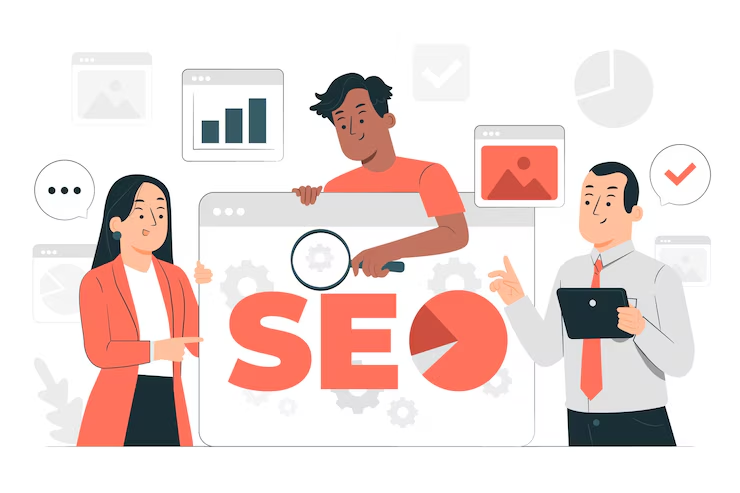
SEO is a multifaceted discipline that encompasses various components, each playing a vital role in achieving optimal results. One of the primary aspects is on-page SEO, which involves optimizing individual web pages to rank higher and earn more relevant traffic. This includes optimizing content with targeted keywords, improving meta tags, and ensuring that images are properly tagged.
By focusing on these elements, we can enhance the relevance and quality of our content, making it more appealing to both search engines and users. Another critical aspect is off-page SEO, which refers to actions taken outside of our own website to impact our rankings within search engine results. This often involves building backlinks from reputable sites, engaging in social media marketing, and fostering relationships with influencers in our industry.
By increasing our website’s authority through these external efforts, we can improve our chances of ranking higher in search results. Technical SEO also plays a crucial role; it involves optimizing the backend structure of our website to ensure that search engines can easily crawl and index our pages. This includes improving site speed, ensuring mobile compatibility, and creating an XML sitemap.
How to Implement SEO
Implementing an effective SEO strategy requires a systematic approach that begins with thorough research. We must identify the keywords that are most relevant to our business and understand the intent behind those searches. Tools like Google Keyword Planner or SEMrush can help us uncover valuable insights into what our target audience is searching for.
Once we have identified these keywords, we can strategically incorporate them into our content while maintaining a natural flow that resonates with readers. After keyword research, we should focus on optimizing our website’s structure and content. This includes creating high-quality, informative content that addresses the needs and questions of our audience.
We should also ensure that our website is user-friendly, with clear navigation and fast loading times. Regularly updating our content and keeping it fresh is essential for maintaining relevance in the eyes of search engines. Additionally, we should monitor our performance using analytics tools to track traffic sources, user behavior, and conversion rates.
This data will allow us to refine our strategies over time and adapt to changing trends in the digital landscape.
Common Misconceptions About SEO
Despite its growing importance, there are several misconceptions about SEO that can hinder businesses from fully embracing its potential. One common myth is that SEO is a one-time effort rather than an ongoing process. In reality, search engine algorithms are constantly evolving, and what works today may not be effective tomorrow.
To stay competitive, we must continuously update our strategies and adapt to new trends in user behavior and technology. Another misconception is that SEO guarantees immediate results. While effective SEO can lead to improved rankings over time, it is not a magic bullet that will deliver instant traffic or conversions.
Building authority and trust takes time, and patience is essential as we work towards achieving our goals. Additionally, some believe that SEO is solely about keyword stuffing or manipulating search engine algorithms. However, modern SEO focuses on providing value to users through high-quality content and a positive user experience.
The Future of SEO
The Rise of Voice Search
As technology advances, the future of SEO is likely to evolve in exciting ways. One significant trend we are witnessing is the rise of voice search. With the increasing popularity of virtual assistants like Siri and Alexa, optimizing for voice queries will become essential. This shift will require us to rethink our keyword strategies and focus on natural language processing to align with how people speak rather than type.
The Growing Importance of User Experience
Another emerging trend is the growing importance of user experience signals in ranking algorithms. Factors such as page load speed, mobile responsiveness, and overall site usability will play an even more significant role in determining search rankings. This shift highlights the need for SEO strategies to prioritize user experience and create websites that are intuitive, fast, and accessible.
Remaining Competitive in a Changing Landscape
As we move forward, it will be crucial for us to prioritize these elements in our SEO strategies to remain competitive in an ever-changing digital landscape. By adapting to emerging trends and focusing on user experience and natural language processing, we can stay ahead of the curve and achieve success in the world of SEO.
Is SEO Right for Your Business?
Determining whether SEO is right for our business involves assessing several factors. First and foremost, we should consider our target audience and their online behavior. If our potential customers frequently use search engines to find products or services similar to ours, then investing in SEO could be highly beneficial.
Additionally, businesses operating in competitive industries may find that effective SEO strategies are essential for standing out from the crowd. We should also evaluate our long-term goals and resources. While SEO requires an investment of time and effort upfront, its long-term benefits can far outweigh initial costs.
If we are committed to building a sustainable online presence and are willing to adapt to changing trends in digital marketing, then embracing SEO could be a strategic move for our business.
Making the Decision to Use SEO
In conclusion, the decision to implement SEO strategies should be based on a thorough understanding of its benefits and potential impact on our business goals. As we have explored throughout this article, SEO offers numerous advantages ranging from increased organic traffic to enhanced user experience and credibility. By recognizing the different aspects of SEO—on-page optimization, off-page efforts, and technical considerations—we can develop a comprehensive strategy tailored to our unique needs.
Ultimately, as we weigh the pros and cons of adopting SEO practices, it becomes clear that this approach is not just about improving rankings; it’s about creating value for our audience and establishing a lasting online presence. By committing to ongoing optimization efforts and staying informed about industry trends, we can position ourselves for success in an increasingly competitive digital landscape. Making the decision to invest in SEO could very well be one of the most impactful choices we make for our business’s future growth and sustainability.
If you are considering implementing SEO strategies for your website, you may also want to explore the benefits of hiring a web development company in India. This article discusses the top reasons why outsourcing your web development needs to a company in India can be advantageous. By partnering with a skilled team of professionals, you can ensure that your website is not only optimized for search engines but also designed to attract and engage your target audience effectively. Additionally, you may also want to learn about how to automate your WooCommerce store for better efficiency, as discussed in this article. By leveraging automation tools and techniques, you can streamline your e-commerce operations and improve the overall performance of your online store.
FAQs
What is SEO?
SEO stands for Search Engine Optimization, which is the practice of increasing the quantity and quality of traffic to your website through organic search engine results.
Why is SEO important?
SEO is important because it helps your website rank higher in search engine results, making it more likely that potential customers will find and visit your site.
How does SEO work?
SEO works by optimizing your website’s content, improving its technical aspects, and increasing its authority and relevance, all of which help search engines understand and rank your site.
Should I use SEO for my website?
Yes, you should use SEO for your website if you want to increase its visibility and attract more organic traffic. SEO can help your website rank higher in search engine results, leading to more potential customers finding and visiting your site.
What are the benefits of using SEO?
The benefits of using SEO include increased visibility and traffic to your website, improved user experience, and a higher likelihood of reaching potential customers who are actively searching for products or services like yours.
Are there any downsides to using SEO?
While there are no inherent downsides to using SEO, it does require time, effort, and ongoing maintenance to see results. Additionally, SEO is a long-term strategy and may not produce immediate results.


