
Why CRO Matters for Nonprofits: Insights from Techno Softwares
In the ever-evolving landscape of nonprofit organizations, we find ourselves facing unique challenges that require innovative solutions. One such solution is Conversion Rate Optimization (CRO), a strategic approach that focuses on enhancing the effectiveness of our online platforms to convert visitors into supporters, donors, or volunteers. As we navigate the digital age, it becomes increasingly vital for us to understand how to leverage our online presence to maximize our impact.
CRO is not merely a marketing buzzword; it represents a fundamental shift in how we engage with our audience and measure our success. CRO involves analyzing user behavior, optimizing web pages, and implementing strategies that encourage visitors to take desired actions. For nonprofits, this could mean increasing donations, signing up volunteers, or raising awareness about our causes.
By focusing on CRO, we can ensure that our resources are utilized efficiently, ultimately leading to greater support for our missions. As we delve deeper into the world of CRO, we will explore its significance, the challenges we face, and the strategies we can adopt to enhance our effectiveness in achieving our goals.
Key Takeaways
- CRO is essential for nonprofits to maximize their online impact and achieve their goals.
- Implementing CRO can lead to increased donations, volunteer sign-ups, and overall engagement for nonprofit organizations.
- Techno Softwares has successfully helped nonprofits improve their CRO through case studies and success stories.
- Common challenges in CRO for nonprofits include limited resources, lack of expertise, and resistance to change.
- Data and analytics play a crucial role in CRO for nonprofits, helping organizations make informed decisions and track progress.
The Impact of CRO on Nonprofit Organizations
The impact of CRO on nonprofit organizations cannot be overstated. By optimizing our online platforms, we can significantly increase our conversion rates, which translates directly into more resources for our causes. When we implement effective CRO strategies, we not only enhance user experience but also build trust and credibility with our audience.
This trust is crucial in the nonprofit sector, where potential donors and supporters often seek assurance that their contributions will make a meaningful difference. Moreover, CRO allows us to better understand our audience’s needs and preferences. Through data analysis and user feedback, we can tailor our messaging and outreach efforts to resonate more deeply with potential supporters.
This targeted approach not only improves conversion rates but also fosters long-term relationships with our audience. As we cultivate these relationships, we create a community of engaged supporters who are more likely to advocate for our causes and contribute over time.
Case Studies and Success Stories from Techno Softwares

Techno Softwares has been at the forefront of implementing successful CRO strategies for various nonprofit organizations. One notable case study involved a small environmental nonprofit struggling to increase its online donations. By conducting a thorough analysis of their website’s user experience, Techno Softwares identified several areas for improvement, including simplifying the donation process and enhancing the visibility of their impact stories.
After implementing these changes, the organization saw a remarkable 50% increase in online donations within just three months. Another success story comes from a nonprofit focused on education that sought to boost volunteer sign-ups through their website. Techno Softwares worked closely with them to redesign their landing pages, making them more visually appealing and user-friendly.
They also introduced compelling calls-to-action and testimonials from current volunteers. As a result, the organization experienced a 70% increase in volunteer registrations over a six-month period. These case studies exemplify how targeted CRO efforts can lead to tangible results for nonprofits, ultimately enabling them to further their missions.
Common Challenges and Pitfalls in CRO for Nonprofits
While the benefits of CRO are clear, we must also acknowledge the common challenges and pitfalls that can arise during its implementation. One significant hurdle is the limited resources that many nonprofits face. With tight budgets and small teams, it can be difficult for us to dedicate time and effort to optimizing our online platforms effectively.
This often leads to a lack of comprehensive data analysis or insufficient testing of new strategies, which can hinder our ability to make informed decisions. Another challenge lies in the complexity of user behavior. Understanding why visitors may not convert can be a daunting task, as it often involves analyzing various factors such as website design, messaging, and even external influences like social media trends.
Without a clear understanding of these elements, we may implement changes that do not resonate with our audience or fail to address their concerns. To overcome these challenges, it is essential for us to prioritize CRO as an ongoing process rather than a one-time project.
Strategies and Best Practices for Implementing CRO in Nonprofit Organizations
To effectively implement CRO in our nonprofit organizations, we must adopt a series of strategies and best practices that align with our goals. First and foremost, we should focus on creating a seamless user experience across all digital platforms. This includes ensuring that our websites are mobile-friendly, easy to navigate, and visually appealing.
By prioritizing user experience, we can reduce bounce rates and encourage visitors to explore our content further. Additionally, we should leverage A/B testing to evaluate different approaches and identify what resonates best with our audience. By testing variations of landing pages, calls-to-action, or donation forms, we can gather valuable insights into user preferences and behaviors.
This data-driven approach allows us to make informed decisions that enhance our conversion rates over time. Furthermore, storytelling plays a crucial role in engaging potential supporters. By sharing compelling narratives about the impact of our work, we can evoke emotions and inspire action.
Incorporating testimonials from beneficiaries or showcasing success stories can help build trust and credibility with our audience. Ultimately, by combining these strategies with a commitment to continuous improvement, we can create a robust framework for successful CRO in our nonprofit organizations.
The Role of Data and Analytics in CRO for Nonprofits
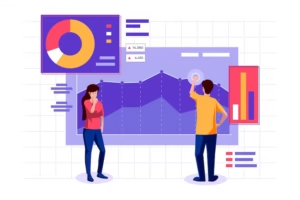
Data and analytics serve as the backbone of effective CRO strategies for nonprofits. By harnessing the power of data, we can gain insights into user behavior, preferences, and trends that inform our decision-making processes. Tools such as Google Analytics allow us to track website traffic, conversion rates, and user engagement metrics.
This information is invaluable in identifying areas for improvement and measuring the success of our CRO efforts. Moreover, analyzing donor behavior can provide us with a deeper understanding of what motivates individuals to contribute to our causes. By segmenting our audience based on demographics or past interactions, we can tailor our messaging and outreach efforts accordingly.
This targeted approach not only enhances conversion rates but also fosters stronger relationships with our supporters. As we embrace data-driven decision-making, it is essential for us to cultivate a culture of experimentation within our organizations. By encouraging team members to test new ideas and learn from failures, we can continuously refine our strategies and optimize our online platforms for maximum impact.
How Techno Softwares is Leading the Way in CRO for Nonprofits
Techno Softwares has emerged as a leader in the field of CRO for nonprofits by providing innovative solutions tailored to the unique needs of these organizations. Their team of experts understands the intricacies of nonprofit operations and is dedicated to helping organizations maximize their online potential. Through comprehensive assessments of existing digital platforms, Techno Softwares identifies opportunities for improvement and implements data-driven strategies that yield measurable results.
One of the standout features of Techno Softwares’ approach is their commitment to collaboration with nonprofit clients. They work closely with organizations to understand their missions, goals, and target audiences. This collaborative spirit ensures that the strategies developed are not only effective but also aligned with the organization’s values and objectives.
Furthermore, Techno Softwares offers ongoing support and training to empower nonprofits in their CRO efforts. By equipping organizations with the knowledge and tools they need to succeed in the digital landscape, they foster a culture of continuous improvement that ultimately benefits both the nonprofits and the communities they serve.
The Future of CRO for Nonprofit Organizations
As we look toward the future of Conversion Rate Optimization for nonprofit organizations, it is clear that embracing this strategic approach will be essential for maximizing our impact in an increasingly digital world. The ability to convert visitors into engaged supporters is not just about increasing donations; it is about building lasting relationships that drive meaningful change in our communities. By prioritizing user experience, leveraging data analytics, and adopting best practices in CRO implementation, we can position ourselves for success in achieving our missions.
The stories of organizations that have successfully navigated this journey serve as inspiration for all of us in the nonprofit sector. As we continue to evolve alongside technological advancements and changing audience expectations, let us remain committed to optimizing our online platforms for greater engagement and support. Together with partners like Techno Softwares leading the way in this field, we can harness the power of CRO to create a brighter future for our organizations and the causes we champion.
For nonprofits looking to enhance their online presence and engagement, understanding the importance of Conversion Rate Optimization (CRO) is crucial. In addition to the insights provided in the article “Why CRO Matters for Nonprofits,” another valuable resource is the article on Social Media Marketing by Facebook: An Insight. This article delves into strategies for effectively using Facebook to reach a broader audience, which can complement CRO efforts by driving more targeted traffic to your nonprofit’s website. By integrating social media marketing with CRO, nonprofits can maximize their online impact and achieve better results in their campaigns.
FAQs
What is CRO?
CRO stands for Conversion Rate Optimization. It is the process of increasing the percentage of website visitors who take a desired action, such as making a donation or signing up for a newsletter.
Why does CRO matter for nonprofits?
CRO is important for nonprofits because it helps them maximize the impact of their online presence. By optimizing their website and digital marketing efforts, nonprofits can increase the number of donations, volunteer sign-ups, and other valuable actions taken by visitors.
How can CRO benefit nonprofits?
CRO can benefit nonprofits by helping them improve their online fundraising efforts, increase engagement with their audience, and ultimately achieve their mission more effectively. By optimizing their website and digital campaigns, nonprofits can make the most of their online resources.
What are some CRO strategies that nonprofits can use?
Some CRO strategies that nonprofits can use include A/B testing, improving website usability, creating compelling calls-to-action, and optimizing donation forms. These strategies can help nonprofits increase the likelihood that visitors will take the desired actions on their website.
How can Techno Softwares help nonprofits with CRO?
Techno Softwares can help nonprofits with CRO by providing expertise in website optimization, digital marketing, and data analysis. They can work with nonprofits to identify areas for improvement and implement strategies to increase conversion rates and achieve their goals.


